Tag: home improvement

  • Stone Patio Installation Cost A Comprehensive Guide

    Stone patios are a beautiful addition to any outdoor space, offering both functionality and aesthetic appeal. However, before diving into a project, it’s essential to understand the various factors that contribute to stone patio installation cost. From the type of materials chosen to the complexity of the design and labor involved, each element plays a significant role in determining the overall expense.

    In this guide, we will explore everything you need to know to budget effectively for your stone patio dream.

    Whether you’re considering different types of stones or weighing the benefits of hiring a professional versus opting for a DIY approach, we’ll break down the costs associated with each option. With insights into hidden expenses and seasonal considerations, this comprehensive overview will help you make informed decisions and ultimately enhance your outdoor living experience.

    Understanding the Factors Influencing the Cost of Stone Patio Installation

    Us Map Zones Plants - Hayley Drumwright

    The cost of installing a stone patio can vary significantly based on several key factors. Understanding these elements can help homeowners make informed decisions and budget effectively for their project. These factors include the type of stone materials, the size of the patio, labor costs, geographical location, and the complexity of the design, all of which come together to influence the final price.

    Material Type and Size

    The choice of materials and the size of the patio are perhaps the most significant factors affecting installation costs. Different stone types come with varying price points, which can dramatically alter the overall budget. For example, natural stones like granite or slate typically cost more than manufactured pavers, but they also offer distinct aesthetic benefits and durability. The size of the patio directly pertains to the amount of material needed and the labor required for installation.

    A larger patio demands more stone, increasing both material and labor costs. For instance, a 200-square-foot patio using flagstone might cost around $3,000, while the same area covered with less expensive pavers could cost about $1,500. Therefore, evaluating both the material choice and the patio dimensions is crucial in estimating potential expenses.

    Geographical Location

    Geographical location plays a significant role in the pricing of stone patio installation. Costs can vary based on regional market demand, availability of materials, and local labor rates. For example, in urban areas where demand for landscaping services is high, homeowners might encounter higher labor costs. Conversely, rural locations may offer more competitive pricing, but the availability and transportation costs of stone materials can lead to increased expenses as well.Additionally, certain regions may have specific stone types available, which can affect pricing.

    For instance, homeowners in the Northeast may find that bluestone is more accessible and therefore more affordable than in the Southwest, where it might require extensive shipping.

    Design Complexity

    The complexity of the patio design can also impact installation costs significantly. Simple, rectangular patios are typically less costly to install compared to intricate designs featuring curves, patterns, or multiple levels. The more complex the design, the more labor-intensive the installation becomes, which can lead to higher costs. For example, a straightforward 300-square-foot rectangular patio may cost around $3,500 to install, while a similarly sized patio featuring a circular pattern or raised edges could easily exceed $5,000 due to the increased labor and expertise required.

    In summary, the cost of stone patio installation is influenced by a variety of factors, including the type of stone materials, the size of the patio, geographical location, and the complexity of the design. Each of these elements should be carefully considered to arrive at an accurate estimate for your project.

    Comparing Different Types of Stones for Patio Installation and Their Costs

    When it comes to choosing the right stone for your patio installation, it’s essential to understand the various options available, their costs, and how they can affect the overall look and value of your property. Different types of stones offer unique benefits and drawbacks, which can influence your decision based on budget, aesthetic preferences, and maintenance capabilities.In this segment, we’ll explore popular stone materials such as flagstone, slate, and granite, comparing their price ranges, durability, maintenance needs, and overall aesthetics.

    Understanding these factors can help you make an informed choice that aligns with your vision and budget.

    Comparative Analysis of Popular Stone Types

    A comprehensive evaluation of stone materials for patio installation highlights the strengths and weaknesses of each type. Below is a comparison of flagstone, slate, and granite, including their costs and characteristics.

    Stone Type Price Range (per sq. ft.) Durability Maintenance Needs Aesthetics Resale Value
    Flagstone $15 – $30 High Low; occasional sealing recommended Natural look; varies in color and thickness Moderate; enhances outdoor appeal
    Slate $10 – $20 Medium to High Moderate; requires sealing and cleaning Sleek, contemporary; available in various shades High; sought after for modern aesthetics
    Granite $20 – $50 Very High Low; very durable and stain-resistant Elegant; wide range of colors and patterns Very High; considered a premium material

    The table above provides a clear overview of the costs and characteristics of each stone type. Flagstone is a popular choice for its rustic appeal and affordability, making it suitable for a variety of landscapes. Slate, with its elegant finish, offers a modern touch and works well in contemporary settings, while granite stands out for its exceptional durability and high-end appearance, often resulting in a significant boost in resale value.

    “Choosing the right stone type not only affects the current cost but also the long-term value and maintenance of your patio.”

    Understanding the material properties and overall costs associated with these popular stone options can greatly influence your patio installation decisions. Each choice carries its unique benefits, allowing homeowners to align their preferences with practical considerations for their outdoor spaces.

    Analyzing Labor Costs Involved in Stone Patio Installation
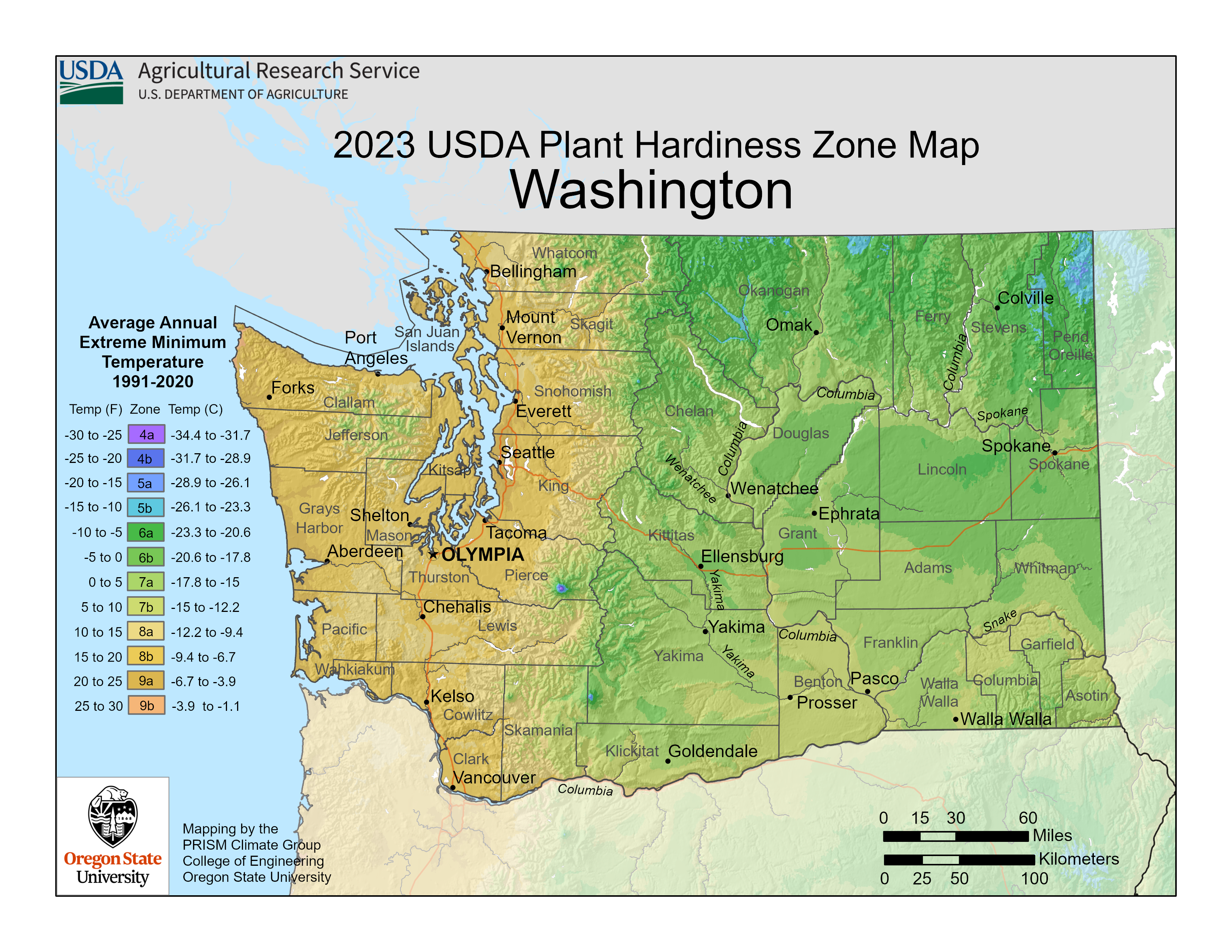
    Washington Plant Hardiness Zones Map And Gardening Guide - Gardenia Organic

    Understanding the labor costs associated with stone patio installation is essential for budgeting and planning your outdoor project. Labor costs can significantly influence the overall price of your patio, and these expenses can fluctuate based on various factors, including geographic location and the experience level of the contractors involved. Labor costs for stone patio installation can vary widely depending on the region and the skill level of the workers.

    In urban areas where the demand for skilled labor is high, you might encounter higher hourly rates compared to rural areas where labor is more readily available. Additionally, experienced stone masons usually charge more due to their skill level and the quality of work they provide.

    Typical Hourly Rates for Skilled Stone Masons and General Contractors

    The rates for skilled labor in stone patio installation can often be categorized based on experience and specialization. Knowing the typical hourly rates can help you gauge the costs involved when planning your project. Here’s an overview of what you might expect:

    • Skilled Stone Masons: Typically, skilled stone masons charge between $50 and $100 per hour. Their expertise in cutting, shaping, and laying stone ensures a high-quality finish.
    • General Contractors: General contractors may charge around $40 to $80 per hour. They oversee the entire project, managing other workers and ensuring that the installation meets all specifications.

    It’s also crucial to recognize that additional costs may arise if you need to subcontract specialized tasks, such as electrical work for outdoor lighting or plumbing for water features.

    Potential Additional Costs for Subcontracting Specialized Tasks During Installation

    When a stone patio installation requires specialized skills beyond standard masonry, subcontracting these tasks can lead to increased labor costs. Here are some examples of potential additional costs involved:

    • Electrical Work: Hiring an electrician for lighting installations could add $70 to $150 per hour, depending on the complexity of the work.
    • Plumbing Services: If your patio design includes a fountain or any water feature, you might need a plumber, which typically costs $45 to $100 per hour.
    • Landscaping Services: Integrating landscaping features with your patio may require additional contractors, whose rates can range from $50 to $125 per hour depending on their expertise.

    Understanding these labor dynamics will not only help you create a realistic budget but also prepare you for any unexpected costs that may arise during the installation process.

    Exploring the Hidden Costs of Installing a Stone Patio

    When planning a stone patio installation, it’s easy to focus on the visible expenses like materials and labor. However, there are several hidden costs that can significantly impact your budget. Understanding these additional expenses will help you prepare better and avoid surprises down the line.Before diving into the installation, several factors can add to your overall cost. Site preparation is often a crucial step that includes clearing the area, removing old materials, and leveling the ground.

    Depending on the existing site conditions, this can involve significant labor and potentially heavy machinery. Moreover, some municipalities require permits for patio installations, which can incur additional costs.

    Site Preparation and Permits

    Proper site preparation ensures a durable and aesthetically pleasing patio. Here are the common expenses associated with site preparation:

    • Clearing vegetation and debris, which may involve hiring a landscaping service.
    • Excavation costs if the soil needs to be removed for leveling.
    • Soil testing to identify any potential issues that may affect stability.
    • Permit fees that vary by location, often ranging from $50 to several hundred dollars depending on local regulations.

    The importance of these initial steps cannot be overstated, as they set the foundation for your entire patio project.

    Post-Installation Costs

    Once your stone patio is installed, ongoing maintenance is essential to preserve its beauty and functionality. The following costs should be anticipated:

    • Sealing the stone every few years to prevent stains and water damage.
    • Repairing any cracks or loose stones, which may require specialized labor.
    • Regular cleaning supplies and equipment to maintain the patio’s appearance.
    • Weed control and landscaping maintenance to keep surrounding areas tidy.

    Maintaining your patio not only prolongs its life but also enhances the enjoyment and resale value of your home.

    Drainage and Leveling Considerations

    Before installation, addressing drainage and leveling is critical to avoid future issues. The costs associated with these considerations can vary widely, depending on your site’s specific needs:

    • Installing drainage systems to redirect water away from the patio, which may involve trenching and pipe installation.
    • Using gravel base layer for better drainage, impacting both material and labor costs.
    • Leveling the ground to ensure proper water runoff, which might require additional excavation or fill soil.

    Properly managing drainage and leveling is essential for ensuring your stone patio lasts through the years without significant damage from water erosion or pooling.

    Budgeting for Stone Patio Installation

    Installing a stone patio can be a beautiful addition to your home, but it’s essential to budget effectively to ensure the project remains financially manageable. Proper planning not only helps keep costs in check but also allows homeowners to make informed decisions about materials and labor. Below, you’ll find a step-by-step guide that will help you navigate the budgeting process for your stone patio installation.

    Step-by-Step Guide to Budgeting

    Creating a budget for a stone patio project involves several critical steps. Each step helps to clarify your financial boundaries while ensuring the quality of your installation. Here’s how to proceed:

    1. Determine Your Budget: Start by deciding how much you can comfortably spend on the patio. Consider all potential expenses, including materials, labor, permits, and landscaping.
    2. Research Material Costs: Stone varies widely in price. Research different types of stone, such as flagstone, slate, or pavers, and gather quotes from local suppliers to compare prices.
    3. Calculate Labor Costs: If you’re hiring contractors, get estimates from several professionals. Typically, labor costs can range from $50 to $100 per hour, depending on your location and the complexity of the installation.
    4. Factor in Additional Expenses: Don’t forget to include costs for excavation, base material, and any necessary drainage systems. These can significantly impact your overall budget.
    5. Set Aside a Contingency Fund: It’s wise to allocate about 10-20% of your budget for unexpected expenses that may arise during the project.

    Areas to Save Money Without Compromising Quality

    When budgeting for a stone patio, finding ways to save money can make a significant difference. Here are some effective strategies to consider:

    Consider alternatives to high-end stones that still offer durability and aesthetic appeal.

    • Choose Reclaimed or Overstock Stone: Using reclaimed stone or purchasing leftover materials can greatly reduce costs while still providing a unique look.
    • DIY Installation: If you have the skills and time, consider taking on the installation yourself. This can save you substantial labor costs.
    • Limit Size and Complexity: A smaller or simpler patio design will naturally cost less. Stick to a size and shape that fits your budget without sacrificing functionality.
    • Timing Your Project: Scheduling your installation during the off-peak season (typically late fall or early spring) can lead to lower rates from contractors.

    The Importance of Getting Multiple Quotes

    Securing multiple quotes from contractors is a crucial step in ensuring a fair price for your stone patio installation. It provides you with a range of options and allows for better negotiation.

    Comparing quotes ensures you select a qualified contractor that fits within your budget.

    • Understand the Scope of Work: Ensure that each contractor provides a detailed breakdown of their quote, including material and labor costs. This transparency helps avoid hidden fees.
    • Check References and Reviews: Look for contractors with positive reviews and ask for references to verify their reliability and the quality of their work.
    • Get Written Estimates: Always request written estimates that Artikel what is included in the project. This protects you from unexpected costs later on.
    • Don’t Automatically Choose the Lowest Bid: While budget is important, quality should not be compromised. Evaluate the value offered in each quote before making a decision.

    The Importance of Hiring a Professional vs. DIY Stone Patio Installation

    When considering the installation of a stone patio, the decision between hiring a professional and tackling the project yourself can significantly influence the outcome. Each approach has its advantages and disadvantages that are important to understand before making a commitment. This section will delve into the factors that differentiate professional installations from DIY efforts, helping you to make an informed choice.

    Pros and Cons of Hiring a Professional vs. DIY Installation

    Choosing between a professional contractor and a DIY approach involves weighing various factors, including cost, quality, and time. Below are some key points to consider:

    • Cost: Hiring a professional may seem more expensive initially due to labor costs, typically ranging from $50 to $100 per hour. However, their expertise can prevent costly mistakes that often occur in DIY projects.
    • Quality of Work: Professionals bring years of experience and skill, ensuring a high-quality installation that meets design and structural standards. DIY projects may lack this polish if the installer is inexperienced.
    • Time Investment: A professional can complete the job in a fraction of the time it would take an inexperienced homeowner. DIY installations may take several weekends, depending on the individual’s skill level.
    • Project Management: Professionals manage the entire process, including sourcing materials and adhering to local regulations. DIY enthusiasts must take on these responsibilities, which can be overwhelming for first-timers.
    • Flexibility and Customization: While DIY allows for creativity and personal touches, professionals can offer tailored solutions based on experience and knowledge of materials and techniques.

    Skills and Tools Required for Successful DIY Installation

    Taking on a DIY stone patio installation requires a specific set of skills and tools. Key skills include:

    • Basic Masonry Skills: Knowledge of laying stones, mixing mortar, and understanding of drainage solutions is essential.
    • Measuring and Leveling: Accurate measurements and the ability to use leveling tools are critical for creating a stable and visually appealing patio surface.
    • Physical Labor: The installation process can be physically demanding, requiring lifting, digging, and potentially the use of heavy equipment.

    To successfully complete a DIY project, the necessary tools include:

    • Shovel and Rake: For preparing the ground and leveling the base material.
    • Hammer and Chisel: Essential for shaping stones to fit together seamlessly.
    • Level and String Line: To ensure that the patio is perfectly flat and aligned.
    • Compactor: For compacting the base material to create a solid foundation.

    Potential Pitfalls of DIY Projects

    While DIY installations can be rewarding, there are several common pitfalls that can lead to increased costs and dissatisfaction. Understanding these risks can help you avoid them:

    • Improper Installation: Many DIYers underestimate the importance of a strong base or proper drainage, leading to future issues such as settling or water pooling.
    • Material Waste: Inexperience can result in miscalculating material needs, leading to excess purchases and wasted resources.
    • Time Overruns: What may start as a weekend project can extend indefinitely, costing more in time and potential lost enjoyment of your outdoor space.
    • Legal and Safety Issues: Failing to adhere to local building codes or safety guidelines can result in fines or unsafe conditions.

    “Investing in a professional can save you from headaches and unforeseen expenses down the line.”

    Ultimately, the choice between hiring a professional and opting for DIY depends on your budget, skills, and willingness to take on the associated risks. Making an informed decision can lead to a successful stone patio that enhances your outdoor living space for years to come.

    Seasonal Considerations for Stone Patio Installation Costs
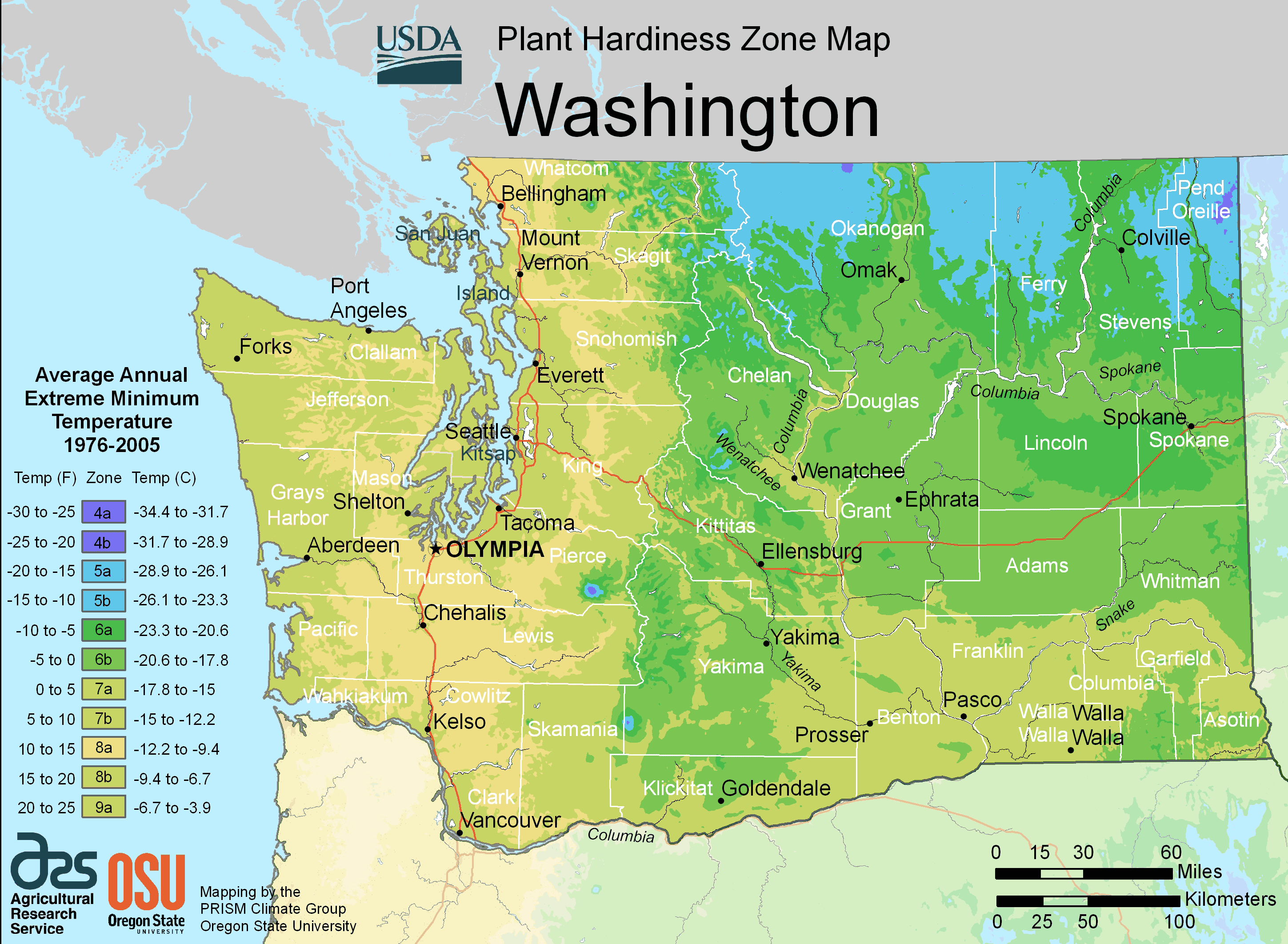
    Washington planting zones usda map of washington growing zones – Artofit

    When planning for a stone patio installation, the season can significantly influence both the cost and the availability of materials and labor. Understanding these seasonal variations is crucial for homeowners looking to make the most cost-efficient decisions while ensuring a smooth installation process.Different seasons present unique challenges and opportunities in terms of availability and pricing. For instance, the spring and summer months typically experience higher demand for patio installations, leading to increased prices for both materials and labor.

    Conversely, fall and winter months may offer more competitive pricing as the demand tends to taper off. However, weather conditions can also play a pivotal role during these times, affecting installation timelines and overall expenses.

    Seasonal Pricing Trends and Labor Availability

    The pricing of stone patio installations is heavily influenced by seasonal trends, which can affect both the cost of materials and labor availability. Here are some key points to consider:

    • Spring and Summer: These are the prime seasons for patio installations, often resulting in higher costs due to increased demand. Homeowners looking to install during these months should anticipate prices to be at their peak.
    • Fall: As summer winds down, many contractors offer promotions to fill their schedules. This can lead to reduced costs for homeowners who choose to install patios during fall.
    • Winter: Although the weather can be challenging, some contractors may offer lower rates during winter months. However, installation may be limited or delayed due to snow and freezing temperatures.

    Weather-related factors can also influence installation timelines and expenses. Unpredictable weather can lead to delays, making it important to factor in possible rescheduling when planning your project.

    “Proper planning during the off-peak seasons can lead to significant savings when installing a stone patio.”

    Additionally, local weather patterns should be considered. Heavy rains in spring or winter snowstorms can halt progress on installations, leading to increased labor costs as contractors may need to adjust their schedules. In summary, being aware of seasonal considerations allows homeowners to strategize effectively, potentially reducing overall installation costs while ensuring a successful patio project.

    Evaluating the Return on Investment for Stone Patios
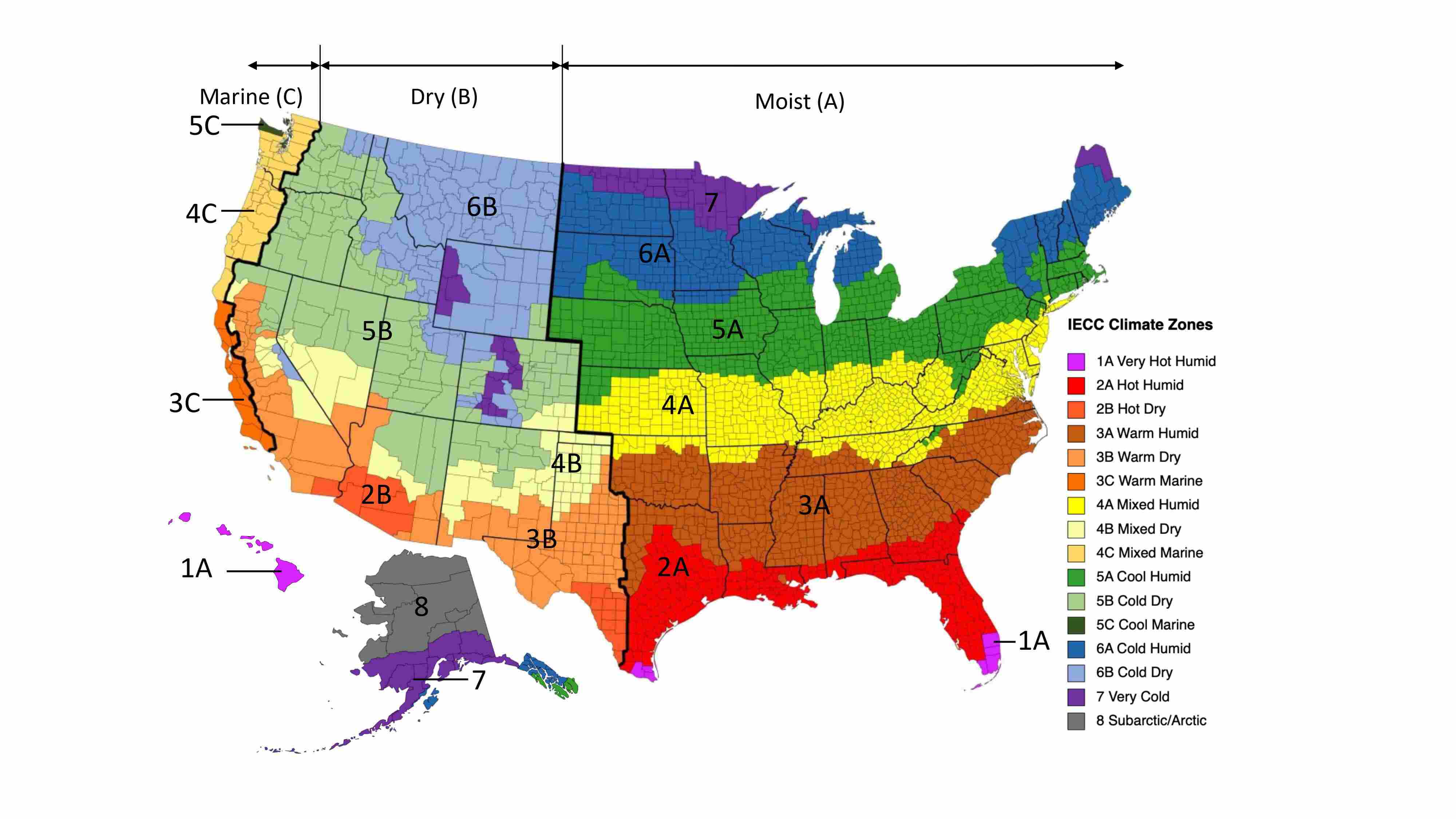
    Washington State Climate Zone Map

    Investing in a stone patio is not just about enhancing your outdoor aesthetic; it can significantly impact your property value. A well-constructed stone patio adds a unique appeal to your home, making it a desirable feature for potential buyers. Additionally, it creates an inviting space for relaxation and entertainment, further boosting your investment.When considering the return on investment (ROI) for a stone patio, the ability to enhance outdoor living spaces plays a critical role.

    A thoughtfully designed patio does more than increase curb appeal; it transforms an ordinary backyard into an inviting oasis. Homeowners can enjoy outdoor gatherings, family barbecues, or tranquil evenings under the stars, all thanks to a well-planned stone patio.

    Factors Contributing to Long-Term Value

    Several factors contribute to the long-term value of a stone patio installation. Understanding these elements helps homeowners appreciate their investment more fully and ensures they make the most informed choices.

    Quality of Materials

    Using high-quality stones not only enhances durability but also elevates the overall appearance of the patio. A premium stone patio can sustain the test of time and weather, ensuring that it remains functional and attractive for years to come.

    Design and Aesthetics

    A well-designed patio that complements the existing architecture of your home can significantly increase its marketability. Thoughtful design choices, such as incorporating patterns or integrating landscaping elements, can create a cohesive look that appeals to prospective buyers.

    Functionality

    A patio that serves multiple purposes—such as a dining area, sitting area, or outdoor kitchen—adds to its value. The versatility of use encourages homeowners to spend more time outdoors, enhancing their overall living experience.

    Location and Market Trends

    The real estate market and neighborhood characteristics can impact the ROI of a stone patio. In areas where outdoor living spaces are valued, having a stone patio can make your property stand out among comparable listings.

    Maintenance and Longevity

    Stone patios are known for their durability, which translates to lower long-term maintenance costs. When potential buyers see a well-maintained stone patio, they recognize the value of a hassle-free outdoor space.Overall, investing in a stone patio can yield impressive returns when considering both immediate enjoyment and the potential increase in property value over time.

  • Patio Renovation Cost Factors And Insights To Consider

    Patio renovation cost sets the stage for this enthralling narrative, offering readers a glimpse into a story that is rich in detail and brimming with originality from the outset. Understanding the various factors influencing the costs of renovating your patio is essential for homeowners looking to enhance their outdoor spaces. From materials and size to location and labor, each element plays a crucial role in shaping your budget.

    Additionally, exploring seasonal trends and potential hidden costs can help you navigate the complexities of patio renovation more effectively.

    This guide will delve into the intricacies of patio renovation costs, comparing different materials and their implications, while also addressing budgeting strategies and the value of professional contractors. By the end of this exploration, you’ll be well-equipped to make informed decisions that align with your vision and financial goals.

    Understanding the Factors Influencing Patio Renovation Costs

    Types Of Expansion Cards Used In Computer System - Printable Cards

    Renovating a patio can be an exciting yet daunting task, especially when it comes to budgeting. Understanding the various factors that contribute to the overall expense is crucial for any homeowner looking to enhance their outdoor space. These factors include materials, size, and location, alongside seasonal trends and labor costs, which can significantly impact the overall renovation budget.The materials chosen for a patio renovation play a pivotal role in determining costs.

    For instance, natural stone, while aesthetically pleasing and durable, tends to be more expensive than concrete or pavers. Homeowners should also consider the long-term value of the materials; investing in high-quality options may yield greater returns if the property is sold. The size of the patio is another crucial factor. Larger spaces naturally require more materials and labor, thereby increasing costs.

    Additionally, the complexity of the design, such as incorporating built-in features like fire pits or seating walls, further influences the budget. Location matters as well; urban areas often have higher labor rates and material costs compared to suburban or rural settings due to demand and availability.

    Seasonal Trends and Labor Costs

    Understanding seasonal trends can aid in effective budgeting. Renovation projects often see price fluctuations throughout the year, which can be attributed to weather conditions and demand. For instance, spring and summer are peak seasons for construction, and as a result, labor costs may increase due to higher demand for skilled workers. Conversely, fall and winter might see lower rates, as contractors often seek work during these slower months, making it a potentially cost-effective time for renovations.Labor costs also vary based on the region and complexity of the work involved.

    Homeowners should factor in not just the hourly wages of laborers but also any additional costs for permits, disposal of old materials, and other related expenses. A well-planned renovation should account for these variables, creating a realistic budget that encompasses all potential costs.

    “Investing in quality materials and planning for seasonal labor changes can lead to a more successful and cost-effective patio renovation.”

    By being mindful of these influencing factors and trends, homeowners can navigate the renovation process more effectively, ensuring their patio becomes a beautiful and functional outdoor space without breaking the bank.

    Comparing Various Patio Materials and Their Cost Implications

    How To Know If GPU Will Fit In Case? Comprehensive Guide 2025

    When renovating a patio, selecting the right materials is crucial not only for aesthetics but also for long-term performance and maintenance. Each material comes with its own set of characteristics, costs, and benefits, making it essential to consider these factors carefully before making a decision. This analysis provides an overview of common patio materials, their average costs per square foot, and other important considerations to help guide your renovation project.

    Concrete

    Concrete is one of the most popular materials for patio renovations due to its affordability and versatility. With an average cost ranging from $6 to $15 per square foot, it can fit various budgets depending on the finish and complexity of the design. Concrete can be poured, stamped, or stained to achieve a variety of looks, which makes it appealing for different styles.

    Durability

    Concrete is known for its strength and longevity; it can withstand heavy foot traffic and adverse weather conditions.

    Maintenance

    While it requires minimal upkeep, sealing is recommended every few years to prevent cracking and staining.

    Natural Stone

    Natural stone, including options like flagstone, slate, and granite, adds a high-end look to patios. The average cost can range from $15 to $30 per square foot, depending on the type of stone and installation complexity.

    Durability

    Stone is extremely durable and can last for decades, making it a worthwhile investment.

    Maintenance

    Natural stone may need regular sealing to protect against moisture and stains, particularly in harsher climates.

    Wood

    Wooden patios, particularly those made from hardwoods like teak or cedar, provide a warm and inviting atmosphere. The average cost for a wooden patio ranges from $8 to $20 per square foot, influenced by the type of wood and treatment used.

    Durability

    While wood can be very durable, it is susceptible to rotting, warping, and insect damage if not properly maintained.

    Maintenance

    Wooden patios require more frequent maintenance, including staining and sealing, to prolong their lifespan and maintain their appearance.

    Comparative Table of Patio Materials

    The following table Artikels the average costs, durability, and maintenance needs of the discussed patio materials, providing a clear reference point for your project considerations.

    Material Average Cost per Square Foot Durability Maintenance
    Concrete $6 – $15 Very durable Minimal (seal every few years)
    Natural Stone $15 – $30 Extremely durable Regular sealing recommended
    Wood $8 – $20 Durable but susceptible to damage Frequent maintenance needed (staining, sealing)

    Selecting the right patio material significantly impacts both upfront costs and long-term satisfaction with your outdoor space. Understanding the unique characteristics and requirements of each option enables homeowners to make informed decisions that align with their aesthetic desires, budget constraints, and maintenance capabilities.

    Budgeting for a Patio Renovation Project

    When planning a patio renovation, it’s essential to set a realistic budget that encompasses all potential expenses. This ensures that you won’t be caught off guard by unforeseen costs. A well-structured budget not only helps manage finances but also aids in making informed decisions about design and materials. By following a systematic approach to budgeting, homeowners can effectively control their renovation costs and enjoy a successful project outcome.

    Steps for Creating a Realistic Budget

    Creating a comprehensive budget for a patio renovation involves several key steps. Firstly, assess the overall scope of the project by determining the size and design of the patio. Next, research material options and their prices to get a clear picture of expected costs. Following that, consider hiring a professional contractor and gather quotes to include labor costs. Additionally, don’t forget to allocate funds for necessary permits or inspections, which can vary based on local regulations.

    Finally, always add a contingency fund (typically around 10-15% of the total budget) for unexpected expenses that may arise during the project.

    Potential Hidden Costs to Consider

    While planning your budget, it’s vital to recognize potential hidden costs that can arise during a patio renovation. These costs can quickly escalate if not accounted for, leading to financial strain. Common hidden costs include:

    • Site Preparation: Clearing existing structures, leveling the ground, or addressing drainage issues can incur additional expenses.
    • Landscaping Adjustments: Updating surrounding greenery or hardscaping to complement the new patio can add to the budget.
    • Utility Relocation: If existing utilities such as water or electricity interfere with your new patio design, relocation may be necessary.
    • Weather Delays: Weather-related disruptions can extend the timeline and increase labor costs.
    • Material Upgrades: Unexpected needs for higher quality materials due to wear and tear can arise during renovations.
    • Permit Fees: Local regulations may require additional permits based on the size and scope of the project.

    Considering these hidden costs during the budgeting phase can save homeowners from financial surprises later on.

    Budget Breakdown Table

    A detailed budget breakdown can provide clarity on where funds will be allocated during the patio renovation. Below is a sample table to illustrate typical costs associated with such a project:

    Expense Category Estimated Cost
    Material Costs (pavers, concrete, etc.) $2,000 – $5,000
    Labor Costs $1,500 – $3,000
    Permits $100 – $500
    Unexpected Expenses (contingency fund) $300 – $800

    This breakdown serves as a guideline and can vary significantly based on location, project scope, and personal choices. Adjusting these figures to align with your specific project will lead to a more accurate budget, allowing for a smoother renovation process.

    The Role of Professional Contractors in Patio Renovation

    When considering a patio renovation, one crucial decision revolves around whether to enlist the help of professional contractors or tackle the project as a DIY endeavor. Each option presents unique advantages and challenges, and understanding these can significantly impact the outcome of your renovation. In this section, we’ll explore the benefits of hiring professionals, the variability of contractor fees based on project complexity, and the importance of obtaining multiple quotes to find the right contractor for your needs.

    Advantages of Hiring Professional Contractors versus DIY

    Engaging a professional contractor for your patio renovation can lead to numerous benefits that often outweigh the perceived savings of a DIY approach. Professionals bring a wealth of experience, tools, and techniques developed over years in the industry. They can help avoid common mistakes that may arise from inexperience and ensure that the project complies with local regulations and building codes.

    Additionally, professionals can access higher quality materials and may have established relationships with suppliers, potentially lowering material costs.Consider the following advantages of hiring a contractor:

    • Expertise and Experience: Professionals are skilled in various aspects of patio renovation, including design, construction, and project management.
    • Time Efficiency: Contractors are typically able to complete projects in a fraction of the time it would take an inexperienced DIYer.
    • Quality Assurance: Many contractors offer warranties or guarantees on their work, providing peace of mind regarding the longevity of the renovation.
    • Access to Resources: Contractors often have access to tools and materials that may be difficult for a homeowner to obtain.

    Contractor Fees Based on Project Complexity and Size

    The cost of hiring a contractor for a patio renovation can vary significantly depending on several factors, including the size of the patio, the complexity of the design, and the materials used. Generally, more intricate designs that require specialized skills, such as custom stonework or elaborate lighting installations, will incur higher fees. Conversely, simpler renovations, such as re-surfacing or replacing existing materials, may be more affordable.To give an idea of expected costs, a basic patio renovation might start around $3,000, while more complex designs can easily reach $10,000 or more.

    It is essential to communicate effectively with contractors about your vision and expectations to receive accurate quotes.

    Importance of Obtaining Multiple Quotes and Selecting the Right Contractor

    Getting multiple quotes is a fundamental step in the process of hiring a contractor for patio renovations. This practice not only ensures that you understand the market rate for your project but also provides opportunities to compare the services and approaches of different contractors. When seeking quotes, look for not only cost but also the contractor’s experience, reputation, and the specifics of services included.Here are some key points to consider when selecting a contractor:

    • Check Credentials: Verify licenses, insurance, and any industry certifications.
    • Request References: Ask for past project examples and speak with previous clients to gauge satisfaction.
    • Compare Detailed Estimates: Look beyond the total cost; analyze what is included in the estimate to avoid hidden fees later.
    • Assess Communication: Choose a contractor who is responsive and open to discussion, ensuring smooth project management.

    “A well-selected contractor can turn a vision of an outdoor oasis into a reality, while a poor choice can lead to costly mistakes and frustration.”

    Seasonal Timing and Its Impact on Renovation Costs

    Renovating a patio is a significant investment that can be influenced by the changing seasons. Understanding how seasonal timing affects costs can help homeowners plan their projects for maximum savings and efficiency. Various factors, including labor availability and material prices, fluctuate throughout the year, making timing a crucial aspect of any renovation plan.Different seasons come with unique challenges and cost implications.

    For instance, during peak construction seasons, usually spring and summer, demand for labor and materials rises, leading to higher prices. Conversely, fall and winter often see a slowdown in construction activities, which may result in lower costs as contractors seek work and suppliers may discount materials to move inventory. Seasonal weather conditions also play a vital role; certain materials may not be suitable for installation during extreme temperatures or wet weather, affecting not only cost but also project timelines.

    Best Times of Year for Cost Savings

    Identifying the optimal times to undertake a patio renovation can lead to significant cost savings. Here are some key periods to consider:

    • Late Fall: As summer projects wrap up and homeowners turn their attention indoors, contractors may have more availability. This can lead to competitive pricing as they look to fill gaps in their schedule.
    • Winter: Though cold weather can pose challenges, it often brings the lowest labor costs due to decreased demand. Many suppliers may also offer discounts on materials during this off-season.
    • Early Spring: While prices may rise as the weather improves, starting projects early can help secure better rates before peak season pricing kicks in.

    When planning renovations, consider the impact of weather conditions on both the construction process and the final results. For example, certain materials like concrete are best poured during milder temperatures, while rainy seasons can delay projects and increase costs.

    Tips for Planning Around Seasonal Changes

    Effective planning can help mitigate the impact of seasonal changes on your renovation costs. Here are some strategies:

    • Research Local Patterns: Understand your region’s seasonal trends, including peak construction times and typical weather conditions, to better gauge when to start your project.
    • Book Early: Secure contractors and materials in advance, especially if you plan to start during busy seasons. This can also afford you better pricing and availability.
    • Flexible Scheduling: If possible, remain flexible with your timeline. Being willing to shift your renovation dates can allow you to take advantage of last-minute deals or contractor openings.

    Planning for seasonal changes not only helps in managing costs but also plays a crucial role in achieving the desired look and longevity of your patio renovation.

    By understanding seasonal timing, homeowners can strategically plan renovations that align with market conditions, resulting in significant cost savings and successful project outcomes.

    Incorporating Outdoor Features That Affect Renovation Costs

    When planning a patio renovation, it’s essential to consider not just the structural elements but also the additional outdoor features that can enhance the overall experience. These features, while they can elevate the aesthetic and functionality of your patio, also contribute to the overall renovation costs. Understanding the types of features available and their associated costs can help you make informed decisions that align with your budget and goals.Outdoor features such as lighting, furniture, and landscaping can significantly improve the ambiance and usability of your patio space.

    However, each of these enhancements comes with their own costs, which can vary widely based on quality, brand, and installation requirements. Integrating these elements thoughtfully can boost both the enjoyment of your outdoor area and the value of your home.

    Outdoor Features and Their Costs

    When considering which outdoor features to incorporate into your patio renovation, it’s helpful to evaluate the potential costs and benefits of each option. Below is a comprehensive list of optional features along with their estimated costs:

    • Outdoor Lighting: Proper lighting can transform your patio into a magical space for evening gatherings.
      Average costs for outdoor lighting can range from $100 to $2,000 depending on the type of lights and installation complexity.

      Investing in LED lighting can provide long-term savings on energy bills.

    • Patio Furniture: Comfortable and stylish furniture is essential for enjoying your outdoor space.
      Expect to spend between $500 and $3,000, depending on materials and brand.
      High-quality, weather-resistant furniture can enhance your patio’s appeal and longevity.
    • Landscaping: Adding plants, shrubs, or a garden can create a serene environment.
      Landscaping costs vary widely, typically ranging from $300 for simple plantings to $5,000 or more for complex designs and installations.
    • Fire Pits: A fire pit is a popular feature that encourages year-round use of your patio.
      The cost for a fire pit can range from $300 for a simple portable unit to over $2,500 for a built-in version with custom stonework.
    • Pergolas or Awnings: These structures provide shade and protection from the elements.
      Installation costs can range from $1,000 to $5,000 or more, depending on the size and materials used.

      A well-designed pergola can increase property value while enhancing outdoor comfort.

    • Outdoor Kitchens: For those who love entertaining, an outdoor kitchen can be a significant investment.
      Basic setups may start around $3,000, but full outdoor kitchens can exceed $20,000 based on appliances and finishes.

    Incorporating these features into your patio renovation can greatly enhance the functionality and enjoyment of your space. It’s essential to weigh the costs against the potential benefits, keeping in mind that thoughtful investments can lead to greater satisfaction and increased home value in the long run.

    Financing Options for Patio Renovation

    Renovating your patio can significantly enhance your outdoor experience, but funding such projects often requires careful consideration of financing options. Homeowners have several methods at their disposal to fund a patio renovation, each with its own advantages and disadvantages. Understanding these options can help you make an informed decision tailored to your financial situation.

    Personal Loans, Credit Cards, and Home Equity Loans

    When it comes to financing a patio renovation, there are three primary options that homeowners frequently consider: personal loans, credit cards, and home equity loans. Each method has its unique characteristics which can influence your choice based on interest rates, repayment terms, and potential risks.Personal loans provide a lump sum amount that can be paid back over a fixed period, typically at a lower interest rate than credit cards.

    They are unsecured, meaning no collateral is required; however, the interest rates can vary based on your credit score. Pros:

    • Fixed interest rates offer predictable monthly payments.
    • No collateral is needed, making it less risky if you face financial difficulties.

    Cons:

    • Approval can be challenging for those with poor credit.
    • Interest rates can be higher than secured loans.

    Credit cards are another option, especially if you are considering a smaller renovation project. They offer the convenience of immediate access to funds and the potential for rewards. Pros:

    • Instant access to funds.
    • Potential rewards or cash-back incentives.

    Cons:

    • High-interest rates can lead to significant debt if not paid off quickly.
    • Risk of overspending due to easy access to credit.

    Home equity loans allow homeowners to borrow against their home’s equity, often at lower interest rates. This option typically requires less paperwork and can be a convenient way to fund larger projects. Pros:

    • Lower interest rates compared to personal loans and credit cards.
    • Tax-deductible interest in some cases.

    Cons:

    • Your home is collateral, which puts it at risk if you default.
    • Closing costs can be high.

    It’s essential to consider potential tax implications or incentives, as patio renovations may qualify for certain tax credits or deductions, depending on your location and the nature of the improvements.

    Understanding Return on Investment for Patio Renovations

    Snapklik.com : PCIe To USB 3.2 Gen 2 Card

    Patio renovations are increasingly recognized as valuable investments for homeowners looking to enhance their outdoor spaces. A well-designed patio not only improves the aesthetics of a property but can also significantly boost its market value. Understanding the return on investment (ROI) for such renovations is essential for homeowners considering upgrades.Patio renovations can add considerable value to a property, particularly in regions where outdoor living spaces are highly sought after.

    These outdoor areas become extensions of the home, increasing usable space and providing opportunities for entertainment and relaxation. Various market trends indicate that well-executed patio renovations can yield impressive returns, especially in urban areas where outdoor space is limited.

    Market Trends Indicating ROI for Outdoor Renovations

    Research shows that outdoor renovations, including patio upgrades, have become increasingly popular in recent years. The demand for outdoor living spaces has surged, and with it, the potential for ROI. Here are some key insights on market trends across various regions:

    • In suburban areas, well-designed patios can yield an ROI of around 70% to 80%, particularly when incorporating durable materials like composite decking or natural stone.
    • Urban markets may see even higher returns, averaging 80% to 90%, as buyers often prioritize outdoor spaces for entertainment and relaxation.
    • Regions with favorable climates, such as the Southwest or Southeast U.S., tend to benefit more from patio renovations, as homeowners can utilize these spaces year-round.

    Comparative Analysis of ROI Percentages for Patio Styles and Materials

    Different patio styles and materials can influence the overall ROI on renovations significantly. This analysis will provide insights into how various choices affect value retention:The selection of patio style and materials is crucial for maximizing ROI. Homeowners should consider the following styles and materials, along with their estimated ROI:

    Patio Style/Material Average ROI Percentage
    Concrete Pavers 70% – 80%
    Natural Stone 80% – 90%
    Wood Decking 60% – 70%
    Composite Decking 75% – 85%
    Brick Patio 75% – 85%

    When choosing materials, homeowners should also factor in maintenance and durability. For example, natural stone may have a higher upfront cost but typically offers greater longevity and aesthetic appeal, which can drive higher returns when selling.

    The formula for estimating ROI in renovations is: (Increase in Property Value / Cost of Renovation) x 100. This can help homeowners gauge the financial benefits of their patio investments.

  • Concrete Patio Installation Cost Explained In Detail

    Concrete patios have become a staple in outdoor living spaces, offering durability and aesthetic appeal. Understanding the concrete patio installation cost is essential for homeowners looking to enhance their yards. Various factors influence this cost, from the size and design of the patio to the type of concrete chosen. With the right knowledge, you can make informed decisions that will lead to a beautiful and functional outdoor space without breaking the bank.

    In this discussion, we will explore the key elements that impact the cost of installing a concrete patio. From site preparation to labor expenses, each component plays a critical role in determining the overall investment required. Additionally, we will dive into the different types of concrete available, their pros and cons, and how to budget for any extra features you might want to incorporate.

    By the end, you’ll be equipped with the information needed to approach your patio project confidently.

    The Factors Influencing Concrete Patio Installation Cost

    When planning a concrete patio installation, understanding the cost factors involved is crucial for budgeting purposes. Several elements can significantly impact the overall price, from the basic materials used to specific site conditions and design choices. Knowing what influences these costs can empower homeowners to make informed decisions.The primary factors contributing to the cost of a concrete patio installation include location, patio size, and design complexity.

    Each of these elements plays a pivotal role in determining the final price tag of your project.

    Location, Size, and Design Complexity

    The geographical location of the installation site greatly affects labor costs and material availability. Urban areas often have a higher cost of living, leading to increased prices for labor and materials. Additionally, if your region experiences harsh weather conditions, such as heavy rain or snow, contractors may charge more due to the added challenges of working in those environments.The size of the patio is another significant factor.

    Larger patios require more materials and labor, naturally increasing the overall cost. For instance, a standard 10×10-foot patio could cost anywhere from $1,000 to $1,500, while a more expansive 20×20-foot patio might push the price up to $4,000 or more, depending on the specifics.Design complexity also plays a major role in the final cost. Simple, flat designs are less expensive than those incorporating intricate patterns or custom features.

    For example, stamped concrete patios, which mimic the appearance of natural stone or brick, can add $3 to $5 per square foot compared to traditional concrete. In contrast, a basic slab design might only cost around $2 to $3 per square foot.

    Considering these factors and planning accordingly can help you stay within budget while achieving the desired aesthetic and functionality.

    Furthermore, don’t forget to factor in additional expenses such as permits, excavation, and site preparation, which can further influence your overall budget. By being aware of these influencing factors, you can navigate the complexities of concrete patio installation costs more effectively and ensure your investment meets your needs and expectations.

    Comparing Different Concrete Types and Their Costs

    When it comes to patio installations, selecting the right type of concrete is crucial not only for aesthetics but also for durability and cost-effectiveness. Each concrete type has its unique characteristics and price points, which can significantly impact your overall project budget. Understanding these options will help you make an informed decision that best suits your needs and preferences.

    Types of Concrete for Patio Installations

    There are several types of concrete commonly used in patio installations, each offering different benefits and costs. Here’s an overview of the most popular options:

    • Standard Concrete: This is the most basic and commonly used type of concrete, typically costing between $3 to $5 per square foot. It’s durable and functional but offers a plain appearance. Perfect for those on a budget.
    • Colored Concrete: This type involves adding pigments to standard concrete, allowing for a range of colors. Costs can range from $4 to $10 per square foot. While it enhances the patio’s look, it may fade over time due to UV exposure.
    • Stamped Concrete: Stamped concrete mimics natural materials like stone or brick, providing a decorative finish. Prices range from $8 to $15 per square foot. It offers high aesthetic value but requires sealing to maintain its appearance and prevent damage.
    • Exposed Aggregate Concrete: This finish reveals the pebbles and stones in the concrete mix, creating a textured surface. It typically costs between $6 to $12 per square foot. It’s slip-resistant and visually appealing but can be more challenging to clean.
    • Permeable Concrete: Designed for water drainage, permeable concrete costs about $8 to $15 per square foot. It’s environmentally friendly and helps reduce runoff but may require more maintenance to prevent clogging.

    Choosing the right type of concrete involves weighing the visual appeal against cost, maintenance, and longevity. For instance, while stamped concrete looks beautiful, it may not be the best choice for areas prone to heavy wear unless properly cared for. On the other hand, standard concrete is cost-effective but lacks in aesthetic appeal. Consider your style preferences, budget, and the specific needs of your outdoor space when making your decision.

    “The right type of concrete can enhance your outdoor space while providing durability and aesthetic value, making the investment worthwhile.”

    The Importance of Proper Site Preparation in Cost Management

    Proper site preparation is essential for concrete patio installation, as it directly influences both the performance and overall cost of the project. Skimping on this critical phase can lead to unforeseen expenses and complications, making it crucial to understand the steps involved and their financial implications. Effective site preparation not only ensures a stable foundation but also enhances the longevity and aesthetics of the patio, ultimately providing better value for money.Site preparation involves various tasks that need to be completed before laying the concrete.

    Each task plays a significant role in ensuring the site is ready and can substantially impact the total cost of the project. For example, tasks like grading, excavation, and soil testing may seem straightforward but require careful planning and execution. Proper grading ensures that water drains away from the structure, while excavation may be necessary to remove existing materials like grass or old concrete.

    Soil testing can help determine the type of materials needed to create a stable base.

    Common Site Preparation Tasks and Their Associated Costs

    Understanding the common tasks in the site preparation process and their costs is essential for effective budgeting. Here are some of the key tasks involved:

    • Clearing the Area: This involves removing any vegetation, debris, or existing structures from the site. Costs can range from $200 to $800, depending on the size of the space and the amount of material to be removed.
    • Grading: Leveling the ground is critical for proper drainage and a stable foundation. This process typically costs between $500 to $1,500, depending on the terrain and complexity.
    • Excavation: If the existing ground is not suitable for concrete installation, excavation may be needed. This can cost anywhere from $1,000 to $3,000, particularly if deep grading is required.
    • Soil Testing: Conducting a soil analysis can identify potential issues with the ground conditions. Testing ranges from $100 to $300, but it can save on costly repairs later.
    • Compaction: Compacting the soil creates a solid base for the concrete. This can add an additional $200 to $600 to the overall cost, depending on the equipment used and the area size.

    The right site preparation can save up to 20% on total project costs by preventing future repairs and ensuring durability.

    By considering these factors, homeowners can better manage the costs associated with concrete patio installation. Investing in proper site preparation not only reduces the risk of issues down the line but also ensures a quality finish that enhances outdoor spaces for years to come.

    The Role of Labor Costs in Concrete Patio Installation

    Retno Wulandari (retnogeom2y) profile | Padlet

    Labor costs play a critical role in the overall expense of installing a concrete patio. These costs can vary widely depending on several factors, including geographic location, the complexity of the project, and the skill level of the laborers involved. Understanding these dynamics is essential for homeowners who are considering a concrete patio installation, as it directly impacts both the budget and the durability of the finished product.

    Regional Variations and Project Complexity

    Labor costs associated with concrete patio installation are influenced significantly by geographic location. Urban areas typically experience higher labor costs due to increased demand and a higher cost of living. For example, in metropolitan regions such as New York City or San Francisco, labor rates can exceed $100 per hour, while rural areas may see rates as low as $50 per hour.

    Additionally, project complexity affects these costs; a simple, straightforward patio installation requires less skilled labor and time than a multi-level or intricately designed patio. A complex design may necessitate specialized techniques, which can further drive up labor expenses.The importance of hiring skilled labor cannot be overstated. Skilled laborers possess the knowledge and experience needed to ensure that the concrete is mixed, poured, and finished correctly, which is vital for the longevity and performance of the patio.

    A poorly executed installation can lead to numerous issues, such as cracking, uneven surfaces, and water drainage problems. For instance, a well-executed installation can last 20 years or more, while a subpar job might require expensive repairs or complete replacement within a decade. Moreover, the choice of labor can also affect the warranty options available for the patio. Many reputable contractors offer warranties that cover workmanship issues for several years, providing peace of mind to homeowners.

    In summary, while it may be tempting to opt for the cheapest labor available, investing in skilled professionals will ensure a high-quality patio that stands the test of time.

    “Quality labor is critical for ensuring the longevity and durability of your concrete patio.”

    Budgeting for Additional Features and Enhancements

    When planning your concrete patio installation, it’s essential to consider not just the base costs but also any additional features and enhancements that can elevate the functionality and aesthetics of your outdoor space. Budgeting for these elements can significantly impact your overall investment, allowing you to create a patio that fully meets your lifestyle needs.Incorporating additional features into your concrete patio can enhance its usability and visual appeal.

    Here are some popular enhancements along with their potential costs:

    Popular Additional Features and Their Costs

    When budgeting for your patio, it’s vital to explore various options that can complement your installation. Here are several popular features you might consider, along with their average costs:

    • Lighting: Outdoor lighting can transform your patio into a cozy evening retreat. Options such as string lights, lanterns, or recessed lighting can range from $100 to $1,000, depending on the complexity and style.
    • Seating: Built-in benches or seating arrangements add comfort and encourage outdoor gatherings. The cost can vary based on materials, but expect to budget between $300 and $2,000 for durable options.
    • Landscaping: Surrounding your patio with plants, flowers, or trees can enhance its natural beauty. Landscaping costs usually start around $300 and can go up to $5,000, depending on the extent of the work and plant selections.
    • Fire Pits: A fire pit creates a warm focal point and extends the outdoor season. Basic fire pits start at approximately $300, while more elaborate options can exceed $2,500.
    • Water Features: Adding a fountain or pond can bring a sense of tranquility. Basic installations can start at $500, with more intricate designs costing several thousand dollars.

    “Investing in enhancements can significantly increase the value and enjoyment of your outdoor space.”

    When considering these features, it’s important to assess how each element fits within your overall vision for the patio. Prioritize enhancements that align with your lifestyle, whether hosting gatherings, enjoying quiet evenings, or creating a family-friendly space. Remember that while initial costs may seem significant, thoughtful enhancements can provide long-term benefits, increasing both the value of your home and your overall enjoyment of the patio space.

    The Benefits of Investing in Quality Materials and Professionals

    Investing in high-quality materials and skilled professionals for your concrete patio installation can lead to significant long-term benefits. While the initial costs may seem daunting, the return on investment through durability, reduced maintenance, and enhanced aesthetics cannot be overstated. This is particularly true in a climate where weather extremes can wreak havoc on lower-quality installations. The long-term savings associated with using quality materials and professionals are often overlooked when planning a concrete patio.

    High-quality concrete mixes and additives can resist cracking and deterioration, reducing the need for costly repairs down the line. For instance, opting for reinforced concrete can minimize the risk of cracking, which is a common issue with standard mixes. Additionally, professionals with extensive experience bring expertise that ensures the patio is installed correctly the first time, eliminating expensive rework and associated costs.

    Comparative Analysis of Costs

    When considering materials for your concrete patio, it’s essential to recognize the differences in initial costs versus long-term maintenance and repair expenses. The choice of material can greatly influence the overall lifecycle cost of your patio.

    Standard Concrete

    This is often the most economical option upfront, but it may require resurfacing or repairs within a few years due to cracking and wear.

    Stamped or Decorative Concrete

    While the initial investment is higher, these options not only provide aesthetic appeal but also tend to last longer without significant maintenance costs.

    High-Performance Concrete

    This advanced material is designed to withstand extreme weather conditions and heavy foot traffic. Although the upfront price is significantly higher, the longevity and reduced need for repairs offer substantial savings over time.

    Professional Installation

    Hiring experienced contractors may seem like an added expense, but their expertise can prevent common installation errors that lead to costly repairs.

    “Investing in quality upfront can save you from headaches and costs in the future.”

    In summary, while high-quality materials and skilled professionals might raise your initial patio installation budget, they can lead to lower maintenance costs, extended lifespan, and greater satisfaction with your outdoor space. By making smart choices today, you are securing the durability and beauty of your patio for many years to come.

    Seasonal Considerations for Concrete Patio Installation Costs

    Retno Wulandari

    Installing a concrete patio is not just about material selection and design; the timing of your project can significantly influence the cost and scheduling of installation. Seasonal changes bring varying weather conditions that can either expedite or delay the process. Understanding these seasonal nuances is crucial for homeowners looking to optimize their budget while achieving their desired outdoor space.Different seasons present unique opportunities and challenges for concrete patio installation.

    The impact of weather and soil conditions can affect not only the scheduling but also the overall cost of installation. In warmer months, for instance, demand for patio installations often peaks. This can lead to increased labor costs and availability issues as contractors become busier. Conversely, during colder months, while labor costs may decrease due to lower demand, harsh weather conditions can lead to delays and potential complications with the curing process.

    Pros and Cons of Seasonal Installation

    When deciding on the best season for installing a concrete patio, it is essential to weigh the advantages and disadvantages of each season. Here’s a breakdown to consider:

    • Spring:

      Spring is often seen as the ideal time for concrete installation, as temperatures are mild and conducive to curing.

      In addition, this season can help avoid the summer’s high demand, potentially leading to better pricing options.

    • Summer:

      Summer offers the advantage of longer days, allowing for more hours of work each day.

      However, be prepared for increased costs due to high demand and the need for additional measures to control curing in extreme heat.

    • Fall:

      Fall can provide a balance between good weather and lower demand.

      This season allows for timely installations before winter, but watch out for unexpected weather changes that can impact scheduling.

    • Winter:

      Winter installations are often the least desirable due to cold temperatures impacting curing times.

      However, contractors may offer lower rates during this period, making it a cost-effective option if you can manage the challenges involved.

    Seasons can significantly influence the availability of materials and the scheduling of labor, ultimately affecting the overall cost of your concrete patio installation. Planning ahead can save you both time and money in the long run.

    Understanding Permits and Regulations Impacting Installation Costs

    BRIN Gandeng Wilmar Padi Indonesia Kembangkan Varietas Padi Tahan Hama

    Installing a concrete patio can enhance your outdoor space significantly, but it’s essential to be aware of the permits and regulations that can influence the overall cost of your project. Local authorities often have specific requirements that must be met to ensure that your installation is compliant with safety and zoning laws.

    Common Permits Required for Concrete Patio Installation

    Before beginning the installation of a concrete patio, obtaining the necessary permits is crucial. These permits vary based on your location but typically include the following:

    • Building Permit: Most municipalities require a building permit for concrete patios, especially if they will alter the structure of your property. Fees for this permit can range from $50 to several hundred dollars, depending on your local regulations.
    • Zoning Permit: This permit ensures that your patio complies with local zoning laws, which dictate how properties can be used. Costs can vary, but they usually hover around $40 to $100.
    • Environmental Permits: If your project may impact local ecosystems, such as drainage or vegetation, additional environmental permits might be necessary. These can cost anywhere from $100 to $500, subject to local regulations.
    • Homeowners Association (HOA) Approval: If you live in a community governed by an HOA, you may require approval from them before starting the installation. Fees for HOA applications differ widely, often ranging from $25 to $200.

    Local regulations can significantly affect not just the cost but also the design and installation of your patio. For instance, certain areas may have restrictions on the size or materials used, which can limit your options. Additionally, regulations might require specific drainage solutions to prevent water runoff, which can add to the installation costs. A permit application process can take time, often requiring reviews and inspections.

    Therefore, it’s advisable to factor in both the cost and time associated with securing these permits when planning your patio installation.

    “Understanding and complying with local regulations is crucial to avoid fines and ensure a smooth installation process.”

    Case Studies of Different Installation Projects and Their Costs

    BP Tapera Gelar Sosialisasi Program FLPP bagi Pegawai dan Keluarga ...

    Concrete patios are a popular outdoor feature that can enhance any backyard. The cost of installing a concrete patio can vary significantly based on various factors, including materials, labor, and design complexity. This section dives into detailed case studies showcasing different installation projects, highlighting their costs, challenges, and outcomes.

    Budget-Friendly Installation Example

    A homeowner in a suburban neighborhood decided to install a 300-square-foot basic concrete patio to create a space for family gatherings. The project was budget-focused, with a total cost of approximately $2,

    500. This price included the following

    • Basic concrete mix: $1,200
    • Labor costs for installation: $800
    • Permits and miscellaneous supplies: $500

    The primary challenge was the limited budget, which restricted options for decorative finishes. The result was a functional, plain gray slab, meeting the client’s needs without exceeding their financial limits. The homeowner was satisfied with the outcome, appreciating the new usable space despite it lacking visual flair.

    High-End Installation Example

    In contrast, a family in a more upscale area opted for a 500-square-foot stamped concrete patio that mimicked the look of natural stone. The total project cost was around $10,000, broken down as follows:

    • Premium stamped concrete mix: $4,000
    • Advanced labor costs for skilled artisans: $3,500
    • Site preparation and landscaping: $2,500

    One of the significant challenges was ensuring proper drainage and leveling, which required extensive groundwork. The outcome was stunning, with intricate patterns and a high-quality finish that significantly boosted the property’s aesthetic. The homeowners reported an increase in their home’s value and received numerous compliments from neighbors.

    The disparity in costs between the two projects illustrates that budget-friendly options can meet basic needs, while high-end installations provide enhanced aesthetics and durability, often increasing property value.

    Comparative Summary of Projects

    The difference in pricing and quality between the budget-friendly and high-end options is evident. The basic installation served its purpose effectively but lacked customization and visual appeal. Conversely, the high-end project not only fulfilled functional needs but also added a remarkable element to the outdoor space, demonstrating how investment in quality can yield substantial returns in satisfaction and property value.

    Tips for Reducing Concrete Patio Installation Costs

    When planning a concrete patio installation, homeowners often find themselves concerned about the overall expense. By taking the right steps and making informed decisions, it’s possible to significantly reduce costs without sacrificing quality. Below are some practical strategies to help you keep your patio project within budget.One of the most effective ways to save money on your concrete patio installation is thorough planning and research.

    Understanding the various aspects of the project can prevent unexpected expenses. Here are some key strategies to consider:

    Effective Planning and Budgeting

    Before diving into the installation, creating a detailed budget is essential. This budget should cover all aspects of the project, including materials, labor, and any additional features. Take time to research the costs of various concrete types and finishes, as these can vary significantly. For instance, opting for a standard gray concrete instead of a decorative stamped design can lead to considerable savings.

    Consider the following tips for budgeting effectively:

    • Get Multiple Quotes: Always seek estimates from several contractors. Comparing prices helps ensure you are getting the best deal.
    • Choose Off-Season Installation: Scheduling your project during off-peak times, such as fall or winter, can often lead to lower labor costs.
    • Limit Customizations: While unique designs can be appealing, they often come with increased costs. Sticking to simpler designs can help you save.

    In addition to budgeting, performing research on local suppliers can yield savings on materials. Buying in bulk or directly from the manufacturer can reduce costs further. Moreover, considering DIY options for parts of the project, such as site preparation, can drastically lower labor costs.

    Planning ahead and doing thorough research is key to achieving cost efficiency in your concrete patio installation.

    Considering the importance of preparation and informed decision-making is crucial for any homeowner looking to cut costs while still achieving a beautiful and functional outdoor space. With these strategies in mind, you’ll be better equipped to navigate the costs associated with your patio installation project.

  • Patio Cover Installation Cost Factors And Breakdown

    When considering enhancing your outdoor space, understanding the patio cover installation cost can be key. This investment not only adds value to your home but also enhances your outdoor experience, making it more enjoyable and functional. With various elements affecting the overall price, such as materials, labor, and design complexity, it’s essential to navigate through these factors to make informed decisions.

    From the choice of materials to regional pricing differences, each aspect plays a crucial role in determining the final cost. Whether you prefer the warmth of wood or the durability of aluminum, knowing how these options affect your budget will help you create a beautiful and functional patio cover that meets your needs.

    The Factors Influencing the Cost of Patio Cover Installation

    Washington State Map www.megatimes.com.br | Plant hardiness zone map ...

    When considering the installation of a patio cover, various elements contribute to the overall cost. Understanding these factors can help homeowners make informed decisions that align with their budget and aesthetic preferences. The interplay between materials, labor, and design complexity all play vital roles in determining the final price of installation, and regional differences can further impact costs significantly.

    Elements Affecting Installation Costs

    The cost of patio cover installation is influenced by several key elements. Here are the primary factors to consider:

    • Materials: The choice of materials is one of the most significant factors impacting cost. Common materials include wood, aluminum, and vinyl, each with varying price points. For example, a wooden patio cover offers a natural aesthetic but may require frequent maintenance, while aluminum provides durability with less upkeep but can be more expensive initially.
    • Labor: Labor costs can fluctuate depending on the installation complexity and local wage rates. Hiring a skilled contractor may increase upfront costs but can lead to a more professional finish and potentially save money on future repairs.
    • Design Complexity: The architectural design of the patio cover plays an important role. Simple, flat designs are generally less expensive than more intricate styles, such as those with multiple levels or unique shapes. For instance, a gable roof design would typically cost more than a straightforward flat roof due to the additional engineering and materials required.
    • Size: The dimensions of the patio cover directly correlate with the cost. A larger cover requires more materials and labor, driving the price up. For example, a 10×10 patio cover will generally be less expensive than a 20×20 cover.

    Regional Cost Variations

    Regional differences can significantly impact the cost of patio cover installation. Factors such as local labor costs, material availability, and even climate can lead to price variations across the country. For instance, in urban areas with higher living costs, both labor and materials can be more expensive compared to rural regions. Additionally, certain climates might necessitate more robust materials or construction methods, further influencing installation expenses.

    For example, a patio cover in a region prone to heavy snowfall may require stronger structural supports, leading to higher material and labor costs.

    Material and Design Choices

    Making specific choices regarding materials and design can lead to considerable cost variations. Here are a few examples illustrating this point:

    • Material Choice: Choosing a composite material can lead to a higher initial investment than traditional wood, but it offers greater longevity and reduced maintenance costs over time.
    • Customized Features: Adding features such as built-in lighting, fans, or heating elements can increase costs significantly. For instance, integrating LED lighting into the structure may enhance ambiance but will add to the overall cost of the installation.
    • Finishes and Accessories: The choice of finishes, such as painting or staining the wood, as well as the types of accessories like gutters and downspouts, can also influence the final cost. A more elaborate finish can elevate the aesthetic but may increase the labor costs due to additional preparation and application requirements.

    Overall, careful consideration of these factors can help homeowners achieve a beautiful and functional patio cover that fits their budget and lifestyle.

    A Breakdown of Materials Used in Patio Cover Installations

    USDA Reveals New Plant Hardiness Zones – Urban and community Forestry ...

    When it comes to patio cover installations, the materials chosen play a critical role in determining not only the overall cost but also the durability, maintenance, and aesthetic appeal of the structure. Understanding the different materials available can help homeowners make informed decisions that fit their budget and style preferences.Several materials are commonly used for patio covers, each with its unique set of benefits and challenges.

    Here’s a rundown of the most popular options and their cost implications:

    Common Materials for Patio Covers

    Exploring the various materials helps in understanding their financial and functional impacts on patio cover installations. Here’s a closer look at the three primary materials used:

    • Wood:
      Wood is a timeless choice that offers natural beauty and versatility. The cost of wooden patio covers can range from $15 to $35 per square foot, depending on the type of wood used, such as cedar, redwood, or pressure-treated pine. While wood provides excellent aesthetic appeal and can be customized to fit any design, it requires regular maintenance, including staining and sealing, to protect against weather damage and pests.

      Over time, wood may also warp or rot if not adequately cared for, affecting longevity.

    • Aluminum:
      Aluminum patio covers are lightweight yet durable, costing between $20 to $30 per square foot. They are resistant to rust and corrosion, making them an ideal choice for areas with high humidity or rainfall. Additionally, aluminum requires minimal maintenance compared to wood, with no need for painting or staining. However, its aesthetic appeal may not match that of natural wood for some homeowners, and it can be perceived as less warm or inviting.

    • Vinyl:
      Vinyl is a low-maintenance option priced around $15 to $25 per square foot. It’s made from synthetic materials that resist fading, cracking, and peeling, making it a long-lasting choice. Vinyl patio covers come in various colors and styles, but they may not offer the same level of customization as wood. Some homeowners perceive vinyl as less appealing visually, which can impact their choice based on aesthetics.

    When evaluating materials, it’s essential to consider not only the upfront costs but also the long-term implications related to maintenance and durability. Each material brings a different aesthetic to your outdoor space, which should be factored into the overall design vision and budget.

    “Choosing the right material can elevate the look of your patio while ensuring it stands the test of time.”

    Each material’s longevity and maintenance needs directly influence the total cost of ownership. Taking the time to weigh these factors will lead to a more satisfying final result that aligns with your lifestyle and preferences.

    Labor Costs and Their Impact on Patio Cover Installation

    Labor costs play a pivotal role in determining the overall price of patio cover installations. The level of expertise required can significantly affect these costs, making it essential to understand how labor influences your budget. Evaluating whether to opt for a DIY project or hire professional contractors will also impact your total expenses.The expertise involved in installing a patio cover varies depending on the complexity and type of structure.

    For instance, basic installations may require less specialized knowledge, whereas custom designs or installations that involve electrical work demand highly skilled labor. Labor costs encompass not just the wages of the workers, but also the time taken to complete the project, which can vary based on the intricacies involved.

    Comparison of Labor Costs for DIY Projects and Professional Contractors

    Deciding between a DIY approach and hiring professionals can lead to drastically different labor costs. Here’s a breakdown of how these two options compare:

    DIY Projects

    Primarily involves personal labor and time.

    Can save on professional labor fees, which typically range from $50 to $100 per hour.

    Requires a good grasp of tools, materials, and construction techniques.

    Mistakes can lead to additional costs if repairs are needed.

    Professional Contractors

    Provide specialized skills that can ensure a high-quality finish.

    Charge not just for labor but also for expertise, which can reflect in their rates.

    Often provide warranties, which can add value.

    Save time on the project, potentially reducing overall costs if time is a constraint.

    When making a choice, it’s essential to weigh the potential savings of a DIY project against the risks and time commitments involved.

    Regional Labor Rate Variances

    Labor rates for patio cover installation can vary significantly across different regions. Understanding these discrepancies can help in budgeting effectively for your project. The following points highlight the regional differences in labor costs:

    Urban Areas

    Higher demand in cities often results in inflated labor costs, sometimes reaching up to $150 per hour.

    Rural Areas

    Generally, labor rates are lower, typically ranging from $40 to $70 per hour, reflecting lower living costs and reduced demand.

    Seasonal Variations

    Labor rates can also fluctuate based on seasons, with peak times (like summer months) seeing an increase in costs due to high demand.Understanding these factors can significantly influence your decision-making process.

    “Labor costs are a crucial component of patio cover installation, impacting both the budget and the overall quality of the project.”

    The Importance of Design Complexity in Overall Costs

    Washington State Climate Zone Map

    When it comes to installing a patio cover, the intricacy of the design plays a significant role in determining the overall costs. More elaborate designs generally require additional materials and labor, leading to a higher total expense. Understanding the factors that contribute to these costs can help homeowners make informed design choices that fit their budgets while still achieving the desired aesthetic and functional benefits.Design complexity directly influences the installation costs due to the additional resources and expertise required.

    More intricate designs may necessitate specialized materials, advanced engineering, and a higher skill level from the installation team. For example, a simple flat roof cover can be installed relatively quickly and with minimal labor, while a multi-tiered, custom-shaped design would require more time, effort, and potentially complex framing techniques. The decision-making process surrounding these design elements can greatly affect the project’s financial scope.

    Cost Implications of Simple versus Complex Designs

    The difference in cost between simple and complex patio cover designs can be substantial. Understanding these cost implications is crucial for homeowners to align their expectations with their budgets. Here are the general distinctions:

    • Simple Designs: A standard flat or gable roof patio cover generally costs between $2,000 and $5,000. These designs typically utilize fewer materials and require straightforward construction techniques, leading to quicker installation times and lower labor costs.
    • Complex Designs: More elaborate designs, such as those featuring multiple slopes, integrated lighting, or decorative elements, can range from $5,000 to $15,000 or more, depending on the level of intricacy. Such designs often require custom materials and engineering considerations, leading to an increase in labor costs and project duration.

    In real-life cases, a homeowner opting for a simple rectangular patio cover might spend around $3,000, while another choosing a more elaborate pergola with intricate cutouts and built-in lighting could see their costs soar to upwards of $12,000.

    “Intricate designs not only elevate the aesthetic appeal but also add complexity to the structural requirements, which can significantly impact pricing.”

    Overall, the choice between a simple and a complex patio cover design is one that should carefully consider the associated costs, structural requirements, and the long-term value that each option can provide.

    Maintenance Costs After Installation

    After installing a patio cover, it’s essential to consider ongoing maintenance costs, which can significantly influence your long-term budget. Different materials used for patio covers come with varying maintenance requirements and associated costs. Understanding these aspects will help you make informed decisions and keep your outdoor space in prime condition.Regular maintenance plays a crucial role in extending the life of your patio cover and preventing costly repairs down the line.

    Addressing minor issues early, such as cleaning and sealing, can save you from having to invest in more extensive repairs or replacements. Each type of material presents its own set of maintenance needs, and recognizing these will allow you to allocate your budget effectively over time.

    Estimated Annual Maintenance Costs

    When planning for maintenance costs, it’s helpful to have a clear comparison of what to expect from various patio cover materials. Below is a table summarizing the estimated annual maintenance costs associated with different types of patio covers:

    Material Type Estimated Annual Maintenance Cost Maintenance Activities
    Aluminum $100 – $200 Cleaning, occasional paint touch-ups
    Wood $200 – $400 Cleaning, staining, sealing, pest control
    Vinyl $50 – $150 Cleaning, checking for cracks
    Fabric (Retractable) $150 – $300 Cleaning, inspecting for wear and tear

    Regular maintenance can save you from unforeseen repair costs and extend the lifespan of your patio cover significantly.

    By being proactive with your maintenance routine based on the specific material, you can enhance the durability and aesthetic appeal of your patio cover while keeping your expenses manageable.

    Seasonal Variations in Installation Costs

    Washington State Climate Map

    Seasonal changes can significantly influence the costs associated with patio cover installations. Understanding these variations helps homeowners strategically plan their projects for maximum cost-effectiveness. Certain times of the year can offer more favorable pricing due to demand fluctuations, weather conditions, and contractor availability.As the seasons change, so do the pricing structures for patio cover installations. During peak seasons, such as late spring and summer, demand surges as homeowners rush to enhance their outdoor spaces.

    This high demand typically results in increased labor costs and material prices. Conversely, off-peak seasons like late fall and winter often see a decline in demand, leading to more competitive pricing and potential savings.

    Promotional Offers and Discounts

    Homeowners can take advantage of various promotional offers and discounts available during off-peak seasons. Contractors often provide incentives to attract business when demand is low. Here are some common promotions that may be available:

    • Seasonal discounts that can reduce labor costs by 10-20%.
    • Bundle deals on materials that lower overall expenses for multiple projects.
    • Special financing options that allow homeowners to spread the installation costs over time without interest.

    Taking advantage of these offers can significantly lower the total investment in a patio cover.

    Optimal Timeline for Installation Planning

    Planning a patio cover installation involves timing that aligns with cost-effective practices. Homeowners should consider the following timeline to maximize savings:

    Late Fall to Early Winter

    This is typically the best time to plan your installation. With fewer projects on contractors’ schedules, homeowners might find lower rates and more flexibility in scheduling.

    Early Spring

    While demand begins to rise, homeowners can still secure good prices if they schedule installations before peak season.

    Late Summer to Early Fall

    As the summer winds down, contractors may offer discounts to fill their schedules before the winter months.By strategically planning installations during these optimal periods, homeowners can save significantly and ensure their outdoor spaces are ready for enjoyment when the weather warms up.

    “Timing your patio cover installation can mean significant savings; planning for off-peak seasons is key.”

    Budgeting for Patio Cover Installation

    Washington planting zones usda map of washington growing zones – Artofit

    Creating a budget for patio cover installation is a crucial step for homeowners looking to enhance their outdoor space. Understanding the costs involved not only helps in making informed decisions but also ensures that the project remains financially viable. This guide Artikels the essential steps to develop a budget, addresses potential hidden costs, and offers insights on prioritizing features without compromising on aesthetics.

    Steps to Create a Budget

    Developing a comprehensive budget involves several key steps. By following this process, homeowners can gain a clearer picture of the financial requirements for their patio cover project.

    • Research Costs: Start by researching the average costs of different types of patio covers, materials, and installation services in your area. Local suppliers and contractors can provide quotes or estimates to aid in this process.
    • Assess Your Space: Evaluate the area where the patio cover will be installed. Measurements and site conditions may influence material choices and overall costs.
    • Consider Design Features: Decide on design elements such as type (pergola, solid roof, etc.), finishes, and additional features (lighting, fans). These can significantly impact the budget.
    • Account for Labor Costs: Factor in the labor required for installation. This can vary widely depending on the complexity of the project.
    • Include Hidden Costs: Be mindful of hidden costs such as permits, site preparation, and potential landscaping adjustments. It’s essential to allocate a buffer for unexpected expenses.

    Prioritizing Features Based on Budget

    When working within a budget, prioritizing project features enables homeowners to create a beautiful outdoor space while managing expenses. The following considerations can guide decision-making:

    • Identify Must-Have Features: Determine essential features that will significantly enhance the functionality of the patio cover, such as shade or weather protection.
    • Explore Material Options: Various materials can achieve different aesthetics at differing price points. Consider options that balance cost and durability, such as aluminum or wood.
    • Evaluate Design Complexity: Simple designs often reduce costs. Prioritize straightforward structures that still deliver a desired aesthetic without excessive complexity.
    • Plan for Future Additions: If budget constraints limit current features, plan for future upgrades. Design the initial installation to accommodate enhancements later.

    Sample Budget Template

    An organized budget template can assist homeowners in tracking costs effectively. Below is a basic example of what to include in a budget for patio cover installation:

    Item Description Estimated Cost
    Materials Cost of chosen materials (wood, aluminum, etc.) $__________
    Labor Estimated cost for professional installation $__________
    Permits Cost for necessary local permits $__________
    Site Preparation Costs for clearing and preparing the installation area $__________
    Landscaping Adjustments Any adjustments needed around the installation area $__________
    Miscellaneous Buffer for unexpected expenses $__________
    Total Estimated Cost $__________

    “A well-planned budget can turn your patio cover dreams into a reality, ensuring that every dollar spent contributes to your outdoor oasis.”

    The Impact of Local Regulations on Installation Costs

    When planning a patio cover installation, it’s essential to consider the influence of local regulations on your overall budget. Local building codes and zoning laws can dictate not only what types of structures you can build but also how they need to be constructed. Understanding these regulations can help avoid unexpected costs and delays.Local building codes can significantly impact the cost of installing a patio cover by necessitating adherence to specific construction standards.

    These standards often include requirements for structural integrity, materials used, and safety measures. Failure to comply with these regulations can lead to fines or the need for costly modifications post-installation.

    Permits and Their Associated Costs

    Securing the necessary permits is a crucial step in the patio cover installation process. These permits can vary greatly depending on your locality and the size of the structure you intend to build. It’s important to have a clear understanding of the permit requirements to budget accurately.The following points highlight key considerations regarding permits and their costs:

    • Many localities require a building permit for any patio cover installation, which may involve a fee ranging from $50 to several hundred dollars based on the project’s scale.
    • Some areas may also require inspections during construction, which can add additional costs as well as time to the installation process.
    • Homeowners should check if there are specific zoning laws that could impose setbacks or height restrictions, potentially requiring modifications that can increase costs.
    • In certain municipalities, permits can take time to process, potentially delaying the start of your project; budgeting for this time can help mitigate unexpected expenses.

    Navigating local regulations effectively is essential for a smooth installation process. Here are some tips to help you manage these requirements with ease:

    • Research local building codes and zoning regulations thoroughly through official government websites or local building offices.
    • Engage with a local contractor who is familiar with regional codes; their experience can be invaluable in ensuring compliance.
    • Allow ample time for permit approval in your project timeline to avoid unnecessary delays.
    • Keep all documentation organized and accessible, as you may need to present it at various stages of the installation process.

    “Understanding local building codes and securing necessary permits can save homeowners from facing costly fines and unexpected construction delays.”

  • Covered Patio Cost And Essential Insights To Budget

    Covered patio cost is an essential consideration for homeowners looking to enhance their outdoor living spaces. This guide unpacks the key elements influencing costs, from materials and labor to regional variations and regulations, providing a comprehensive overview for those contemplating this investment. Whether you’re dreaming of a cozy retreat or a grand entertaining space, understanding the financial landscape is crucial for making informed decisions.

    By diving into the intricacies of different patio styles and their price ranges, as well as the potential long-term benefits, we aim to equip you with the knowledge needed to navigate the often complex world of covered patios. Get ready to explore how location, permits, and even seasonal timing can impact your budget, ensuring you have everything you need to plan your project effectively.

    The fundamental elements that contribute to the overall cost of a covered patio

    Inspirasi Istimewa Gambar Daun, Daun Pintu

    Covered patios can enhance the usability of outdoor spaces while adding aesthetic value to a home. However, several elements play a crucial role in determining the overall cost of constructing a covered patio. Understanding these factors can help homeowners make informed decisions and budget accordingly.The cost of a covered patio is influenced by various main factors, including the materials used, the complexity of the design, and labor expenses.

    Each of these elements contributes differently to the final expenditure, making it essential to analyze them in detail.

    Factors influencing the pricing of covered patios

    The overall cost of a covered patio is significantly affected by multiple factors that homeowners should consider before embarking on a project. These factors include design complexity, size, and the choice of materials.

    • Design Complexity: More intricate designs require additional engineering and architectural input, thus increasing costs.
    • Size: Larger patios require more materials and labor, leading to higher expenses.
    • Location: Regional differences in labor costs and material availability can significantly impact pricing.

    Materials commonly used and their impact on cost

    The choice of materials remains one of the most critical decisions in the construction of a covered patio. Different materials come with varying price points and durability, affecting the overall budget.

    • Wood: Often used for framing and roofing, wood is relatively cost-effective but may require maintenance, impacting long-term costs.
    • Aluminum: This lightweight and rust-resistant material offers durability but typically comes at a higher upfront cost.
    • Vinyl: A low-maintenance option that is cost-effective but may not provide the same aesthetic appeal as wood.
    • Steel: Known for its strength and durability, steel structures are robust but also tend to be more expensive.

    Labor expenses associated with constructing a covered patio

    Labor costs can account for a significant portion of the overall expenditure when building a covered patio. The complexity of the project and the local labor market conditions will dictate these costs.

    • Skilled Labor: Hiring professionals with experience in patio construction usually incurs higher rates, but ensures quality work.
    • Timeframe: The longer the project takes, the more labor costs accumulate, influenced by factors like weather and material availability.
    • Permits and Inspections: Depending on local regulations, additional expenses may arise from necessary permits and inspections, adding to labor costs.

    “Understanding the material choices and labor implications not only helps in budgeting but also ensures the longevity and quality of your covered patio.”

    A detailed breakdown of the different types of covered patios and their respective costs

    Covered patios come in various styles and materials, each offering unique aesthetics and functionality. Understanding the different types can help homeowners select the right option that fits both their lifestyle and budget. This breakdown examines popular patio designs and their associated costs to give you a clearer picture of what to expect.

    Types of covered patios and their price ranges

    When considering a covered patio, it’s essential to recognize the various styles available along with their respective costs. Below are some popular designs and their price points, which can vary based on materials, size, and additional features.

    • Aluminum Patios: These structures are lightweight and resistant to rust, making them a popular choice. Costs typically range from $15 to $30 per square foot. For instance, a standard 200-square-foot aluminum patio can cost between $3,000 to $6,000.
    • Wooden Patios: Offering a classic and natural look, wooden patios generally cost between $25 to $50 per square foot. A 200-square-foot wooden covered patio can therefore range from $5,000 to $10,000, depending on the type of wood used.
    • Vinyl Patios: Durable and easy to maintain, vinyl patios can range from $20 to $40 per square foot. A standard installation for a 200-square-foot vinyl patio might cost between $4,000 and $8,000.
    • Brick or Stone Patios: For those seeking a rustic aesthetic, brick or stone patios are ideal. They typically cost between $30 and $60 per square foot, making a 200-square-foot installation range from $6,000 to $12,000.

    Popular patio designs and their unique price points

    Different designs cater to various tastes and functional requirements. Here are some examples of popular covered patio designs along with their costs:

    • Gable Roof Patios: Featuring peaked roofs, gable patios provide excellent ventilation and aesthetics. They generally cost between $30 to $50 per square foot, translating to around $6,000 to $10,000 for a 200-square-foot area.
    • Flat Roof Patios: These are simpler and often more affordable, costing between $20 to $30 per square foot. A flat roof patio of 200 square feet might cost between $4,000 and $6,000.
    • Hip Roof Patios: With sloping sides, hip roofs offer more structural integrity and style. Costs usually range from $35 to $55 per square foot, making a 200-square-foot hip roof patio cost between $7,000 to $11,000.

    Comparison of costs for each patio type and features

    To better understand the costs associated with various patio types, here’s a comparison table highlighting the costs along with key features.

    Patio Type Cost per Square Foot Typical Size (200 sq ft) Key Features
    Aluminum Patio $15 – $30 $3,000 – $6,000 Lightweight, rust-resistant
    Wooden Patio $25 – $50 $5,000 – $10,000 Natural look, customizable
    Vinyl Patio $20 – $40 $4,000 – $8,000 Durable, low maintenance
    Brick/Stone Patio $30 – $60 $6,000 – $12,000 Rustic aesthetic, sturdy
    Gable Roof Patio $30 – $50 $6,000 – $10,000 Excellent ventilation, stylish
    Flat Roof Patio $20 – $30 $4,000 – $6,000 Simple design, economical
    Hip Roof Patio $35 – $55 $7,000 – $11,000 Structural integrity, appealing design

    “Choosing the right covered patio not only enhances outdoor living but also adds value to your home.”

    The impact of location on the cost of building a covered patio

    Building a covered patio can be a rewarding investment, but the cost can vary significantly based on geographical location. Factors such as material availability, labor costs, and local regulations all play a crucial role in determining the overall expenses when constructing a covered patio. Understanding these elements can help homeowners make informed decisions and better budget for their projects.Location affects construction costs in various ways.

    Different regions may have access to distinct building materials, which can influence pricing based on availability. For instance, areas rich in timber may offer lower lumber prices, while those relying on imported materials might face higher costs due to transportation. Furthermore, local climate conditions can dictate the types of materials suitable for building, impacting both durability and price.

    Regional variations in labor and material costs

    Labor costs can fluctuate based on the local economy and demand for construction services. In metropolitan areas, where demand for construction is often higher, labor rates may be elevated compared to rural regions. Additionally, competition among contractors can also affect pricing. The following points highlight some key regional variations:

    • In the Northeast, where building season may be shorter due to harsh winters, labor costs can be higher as contractors are in greater demand.
    • Southern states, known for their prolonged construction seasons, may see lower labor costs due to a surplus of available workers.
    • In the West, the costs of materials can vary greatly, with coastal areas typically experiencing higher prices due to increased demand and stricter building codes.
    • Midwestern states often benefit from lower overall construction costs, thanks to a mix of affordable labor and abundant raw materials.

    Local regulations can also have a significant impact on the cost of building a covered patio. Building codes can vary widely from one locality to another, and compliance with these regulations may require additional expenses. For example, a municipality may mandate specific permits, inspections, or even design elements, all of which can add to the overall cost of the project.

    “Understanding local regulations is essential, as they can introduce unexpected costs that may not be initially considered.”

    Moreover, zoning laws may dictate where and how a covered patio can be built, impacting both the design and associated costs. Homeowners should familiarize themselves with their local building department requirements to avoid delays or additional expenses during the construction process.

    The long-term financial implications of investing in a covered patio

    Investing in a covered patio not only enhances the aesthetic appeal of your home but also brings significant long-term financial benefits. This addition creates a versatile outdoor living space that can positively impact your property’s value, reduce energy costs, and yield a promising return on investment when you decide to sell your home.

    Potential increases in property value

    A covered patio can significantly boost your property’s market value. Real estate experts suggest that outdoor living spaces are increasingly desirable among homebuyers, making homes with patios more attractive than those without. According to the National Association of Realtors, homes with outdoor features can earn a price premium of approximately 12% more than similar homes lacking such amenities. Investing in a covered patio can lead to:

    • Enhanced curb appeal, drawing more interest from potential buyers.
    • Increased livable space, which is particularly valuable in smaller homes.
    • A greater likelihood of a quicker sale, as buyers often prefer homes that offer functional outdoor areas.

    Energy savings and maintenance costs associated with different patio materials

    The choice of materials for your covered patio can impact both your energy expenditures and maintenance responsibilities over time. Select materials that offer durability and energy efficiency to maximize cost savings. For example:

    • Composite decking tends to require lower maintenance compared to traditional wood, which can rot or warp, leading to higher replacement costs.
    • Metal roofing can offer long-term energy savings by reflecting sunlight, thus keeping your home cooler and reducing air conditioning costs.
    • Insulated patio covers can further enhance energy efficiency, helping to maintain comfortable temperatures indoors, while also prolonging the lifespan of your heating and cooling systems.

    Potential return on investment when selling a home with a covered patio

    A covered patio is often viewed as a valuable asset that can yield a substantial return on investment (ROI) when selling your home. Studies indicate that homeowners can recoup around 70% to 80% of their patio investment upon sale, depending on various factors including location and market conditions. When marketing your home, consider the following aspects:

    • A well-designed patio can create a focal point for your backyard, showcasing a lifestyle that appeals to buyers.
    • Outdoor features can set your home apart in competitive real estate markets, leading to quicker sales at higher prices.
    • Buyers are often willing to pay more for homes that offer additional usable space, particularly in regions with favorable weather.

    Investing in a covered patio not only enhances your home’s functionality but also serves as an attractive feature that can significantly elevate its resale value.

    The role of permits and regulations in the cost of covered patios

    When planning to build a covered patio, understanding the role of permits and local regulations is crucial, as these factors can significantly impact the overall cost. Not only do they ensure that your construction complies with safety and zoning laws, but they can also uncover additional expenses that may not be immediately apparent.

    Necessary permits for constructing a covered patio

    Before starting construction on a covered patio, several permits may be required, depending on your local jurisdiction. These permits are designed to ensure that the structure is safe, adheres to zoning laws, and does not negatively impact the surrounding environment. Common permits that may be required include:

    • Building Permit: This is the primary permit needed for any construction project, ensuring that the structure meets all safety and construction standards.
    • Zoning Permit: This permit confirms that the intended use of the property complies with local zoning regulations, which dictate what can be built and how it can be used.
    • Electrical and Plumbing Permits: If your patio includes electrical outlets, lighting, or plumbing, these additional permits ensure compliance with safety standards.

    Impact of building codes on overall expenses

    Compliance with local building codes can significantly influence the total cost of constructing a covered patio. Building codes vary by location and establish minimum safety standards for construction projects, which can include specific design, materials, and construction methods. Incorporating these codes into your design may require:

    • Upgrading materials to meet fire safety standards, which can increase material costs.
    • Design alterations to accommodate structural stability requirements, possibly leading to increased labor expenses.
    • Hiring specialized contractors familiar with local regulations, potentially increasing labor costs due to their expertise.

    Potential hidden costs related to permits and inspections

    While securing permits is essential, there are often hidden costs associated with obtaining permits and undergoing inspections that can catch homeowners off guard. These costs can accumulate quickly and should be anticipated during budgeting.Some common hidden costs include:

    • Application Fees: Many jurisdictions charge fees to process permit applications, which can vary widely depending on the scope of the project.
    • Inspection Fees: Multiple inspections may be required throughout the construction process, each of which may incur a fee, adding to the total cost.
    • Revisions and Corrections: If inspections reveal that your work does not comply with the codes, you may need to make costly revisions to meet requirements.

    How to effectively budget for a covered patio project

    Detail Gambar Daun Bunga Png Koleksi Nomer 56

    When planning to build a covered patio, budgeting is a crucial step that can significantly affect the overall outcome of your project. A well-planned budget helps ensure that you allocate resources effectively, avoid unexpected costs, and achieve the desired results without financial strain. Understanding the various elements that contribute to the total cost will empower you to make informed decisions throughout the building process.

    Step-by-step guide to budgeting

    Creating a budget for your covered patio project involves several key steps that will help clarify your financial expectations and keep your expenditures in check. Here’s how to create a comprehensive budget:

    1. Determine your budget limit: Assess your financial situation and decide how much you can realistically afford to spend on the project.
    2. Research costs: Investigate local prices for materials, labor, permits, and other related expenses. Contact multiple suppliers to get accurate quotes.
    3. Create a detailed project plan: Artikel the specifications of your patio, including size, style, and materials. This clarity will help you better estimate costs.
    4. Allocate funds: Divide your budget into categories such as materials, labor, permits, and contingencies. Ensure that each category receives an appropriate amount based on your research.
    5. Monitor your budget: Keep track of all expenses throughout the project. Adjust allocations as necessary to stay within your overall budget.

    Prioritizing spending on materials versus labor

    Balancing your budget between materials and labor is essential for achieving a quality build while keeping costs manageable. Here are some tips on how to prioritize your spending:

    “Investing in quality materials can save money in the long run by reducing maintenance and repair costs.”

    1. Choose materials wisely: Opt for durable materials that may have a higher upfront cost but will last longer, such as composite decking instead of traditional wood.
    2. Evaluate labor options: Consider hiring skilled labor for complex tasks while opting for DIY efforts on simpler aspects if you have the necessary skills.
    3. Plan for necessary assistance: If the project requires specialized knowledge (like electrical work for lighting), prioritize hiring professionals for those tasks to avoid future issues.

    Common pitfalls to avoid when estimating costs

    Accurately estimating costs is vital for staying within budget. Here are some common mistakes to steer clear of:

    “Underestimating costs can lead to budget overruns and project delays.”

    • Skipping research: Failing to gather multiple quotes can lead to inflated costs. Always compare prices from different suppliers and contractors.
    • Neglecting hidden costs: Be aware of additional expenses such as permits, inspections, and site preparation. Include these in your budget from the start.
    • Ignoring contingency funds: Set aside at least 10-15% of your total budget for unexpected expenses. This cushion can help mitigate financial stress.
    • Not updating the budget: As the project progresses, continually reassess your budget and adjust if needed. This can prevent last-minute financial surprises.

    Financing options available for covered patio construction

    When considering the construction of a covered patio, understanding the various financing options available can significantly impact your decision-making process. Homeowners often seek ways to fund this investment, whether through loans, leveraging home equity, or financing directly through contractors. Each option comes with its own set of benefits and drawbacks, and knowing these can help you align your choice with your financial situation and goals.There are several financing methods available to homeowners looking to build a covered patio.

    These include personal loans, home equity loans, and contractor financing. Each method has its unique characteristics that may suit different financial situations. It’s essential to weigh the pros and cons of each option to make an informed decision.

    Personal Loans

    Personal loans are unsecured loans that can be used for various purposes, including home improvements. They typically have a fixed interest rate and repayment term, making them predictable for budgeting.

    • Pros: Quick access to funds; no collateral required; flexible use of funds.
    • Cons: Higher interest rates compared to secured loans; potential impact on credit score; may require good credit for favorable terms.

    Home Equity Loans

    Home equity loans allow homeowners to borrow against the equity they have built in their homes. This option is secured by the property, meaning it typically comes with lower interest rates.

    • Pros: Lower interest rates; tax-deductible interest; larger loan amounts based on home value.
    • Cons: Risk of foreclosure if unable to repay; longer approval process; may incur closing costs.

    Financing Through Contractors

    Many contractors offer financing options directly to their clients. This can simplify the process since everything is managed through a single entity.

    • Pros: Convenience of a single payment source; potential for promotional interest rates; tailored financing options based on the project.
    • Cons: Higher rates compared to traditional loans; limited to the contractor’s terms; may lead to overspending if not careful.

    Key Factors to Consider When Choosing a Financing Option

    When deciding on a financing method for your covered patio construction, several key factors should be considered to ensure the option aligns with your financial goals and capabilities.

    • Interest Rates: Compare the rates offered by different financing options to find the most affordable choice.
    • Loan Terms: Look for terms that fit your repayment ability, including the duration of the loan and monthly payment amounts.
    • Fees and Closing Costs: Be aware of any additional fees that may apply, as these can impact the overall cost of financing.
    • Impact on Credit Score: Consider how the financing option might affect your credit rating, particularly if you’re planning to make other significant financial moves soon.
    • Flexibility: Evaluate the flexibility of repayments and whether the option allows for additional payments without penalties.

    Choosing the right financing option requires careful evaluation of your financial situation, risk tolerance, and long-term goals.

    The significance of seasonal timing in the cost of building a covered patio

    Detail Gambar Daun Bunga Png Koleksi Nomer 20

    When considering the construction of a covered patio, the timing of your project can greatly influence overall costs. Seasonal fluctuations can affect material prices, labor availability, and even the speed at which your project can be completed. Understanding these dynamics can help you make strategic decisions that save money and time.Construction costs can vary significantly with the seasons due to factors like demand for labor and materials.

    In peak seasons, such as spring and summer, contractors are often busier, leading to higher labor costs and potential delays in scheduling. Conversely, during the off-peak months, such as late fall and winter, costs tend to dip as demand decreases. This is particularly relevant in regions with extreme weather, where outdoor projects are less preferred during colder months.

    Best Seasons for Cost-Effective Patio Building

    Timing your patio construction strategically can lead to substantial savings. Here are the best times of year to consider for building a covered patio:

    • Late Fall: As the outdoor construction season winds down, many contractors offer discounts to fill their schedules. This period is ideal for those looking to save on labor costs.
    • Early Spring: While still slightly off-peak, early spring allows for a balance of good weather and lower prices. Be mindful, though, as demand begins to increase as the season progresses.
    • Winter Months: In milder climates, winter can be a great time to build. Contractors may have more availability, and materials might be cheaper. However, keep in mind potential weather-related delays.

    Planning construction during these periods not only helps in saving on costs but also ensures a smoother project timeline.

    “Building during off-peak seasons can result in significant savings on both labor and materials.”

    Delays can be a hidden cost when scheduling patio construction during peak seasons. Not only might projects take longer due to high demand, but they can also incur additional fees for extended labor hours or increased material prices. In contrast, taking advantage of the slower seasons can help mitigate these risks, allowing for better project management and cost control.In conclusion, being mindful of seasonal timing when planning your covered patio can greatly impact both budget and project efficiency.

    By strategically selecting the right time for your construction, you can ensure a smoother process and potentially significant cost savings.