Patio design and installation are crucial components in creating inviting outdoor living areas that elevate both functionality and aesthetics. When thoughtfully planned, patios can serve as the heart of outdoor gatherings, providing a seamless transition from indoor to outdoor spaces. They not only enhance the overall appeal of a property but also contribute significantly to its value. From family barbecues to relaxing evenings under the stars, a well-designed patio encourages a variety of outdoor activities, making it a worthwhile investment for any homeowner.
In this discussion, we will delve into essential elements to consider in patio design, explore popular styles, and examine how landscaping integrates with installations. Additionally, we will address common challenges faced during the process and highlight trends that shape the future of outdoor spaces.
The importance of patio design and installation in enhancing outdoor living spaces
A well-designed patio is an essential element of modern outdoor living, serving as a versatile space that can enhance both functionality and aesthetics. When thoughtfully planned and executed, patios can transform ordinary yards into extraordinary outdoor retreats, thereby enriching the overall experience of home living. Good patio design is crucial in creating an inviting atmosphere that seamlessly blends with the surrounding landscape.
It allows homeowners to utilize their outdoor space effectively, catering to various activities—be it entertaining guests, hosting family gatherings, or simply enjoying a quiet evening under the stars. A well-structured patio can incorporate features such as seating arrangements, fire pits, and outdoor kitchens, encouraging social interaction and relaxation. The design takes into account factors like sunlight, wind direction, and views, ensuring that the space is comfortable and appealing year-round.
Impact of Well-Designed Patios on Property Value and Appeal
Investing in a quality patio design not only enhances personal enjoyment but also contributes significantly to the property’s overall value and curb appeal. Homebuyers increasingly prioritize outdoor living spaces, making well-executed patios a major selling point in real estate. Properties with attractive and functional patios often command higher prices and sell faster compared to those without.Consider the case of a suburban home that features a beautifully designed patio with stone flooring, a built-in grill, and comfortable seating.
Such design elements can elevate the overall value of the property by creating a desirable lifestyle aspect that prospective buyers are looking for. Transforming an underutilized backyard into a vibrant outdoor space can yield a substantial return on investment, sometimes as high as 70-80% depending on the region and quality of materials used.Different outdoor activities can also be significantly enhanced through effective patio design.
For instance, an outdoor dining area with a pergola not only provides shade but creates an inviting ambiance for al fresco meals. Similarly, a patio featuring a cozy fire pit area encourages evening gatherings, while strategically placed outdoor lighting can transform the space into a charming nighttime retreat. In addition, patios can also serve as a platform for various activities, such as:
- Outdoor cooking and barbecuing with dedicated grill spaces and prep areas.
- Relaxation zones with comfortable furniture and decorative elements that promote leisure.
- Gardening and plant displays, integrating nature and beauty into the design.
- Children’s play areas that ensure safety while allowing enjoyment of the outdoors.
Each of these activities not only enhances the usability of the space but also fosters a lifestyle that embraces outdoor living, making the patio a focal point of family and social life.
Essential elements to consider in patio design and installation

Designing and installing a patio involves a careful consideration of various factors to ensure that the space is both functional and aesthetically pleasing. Understanding the essential elements will guide you in making informed choices that cater to your specific needs. From the climate to the materials used, each aspect plays a critical role in the overall success of your patio project.
Key factors influencing patio design choices
Several crucial factors should influence your patio design decisions to create an inviting outdoor space that meets your lifestyle needs. Below are five key considerations:
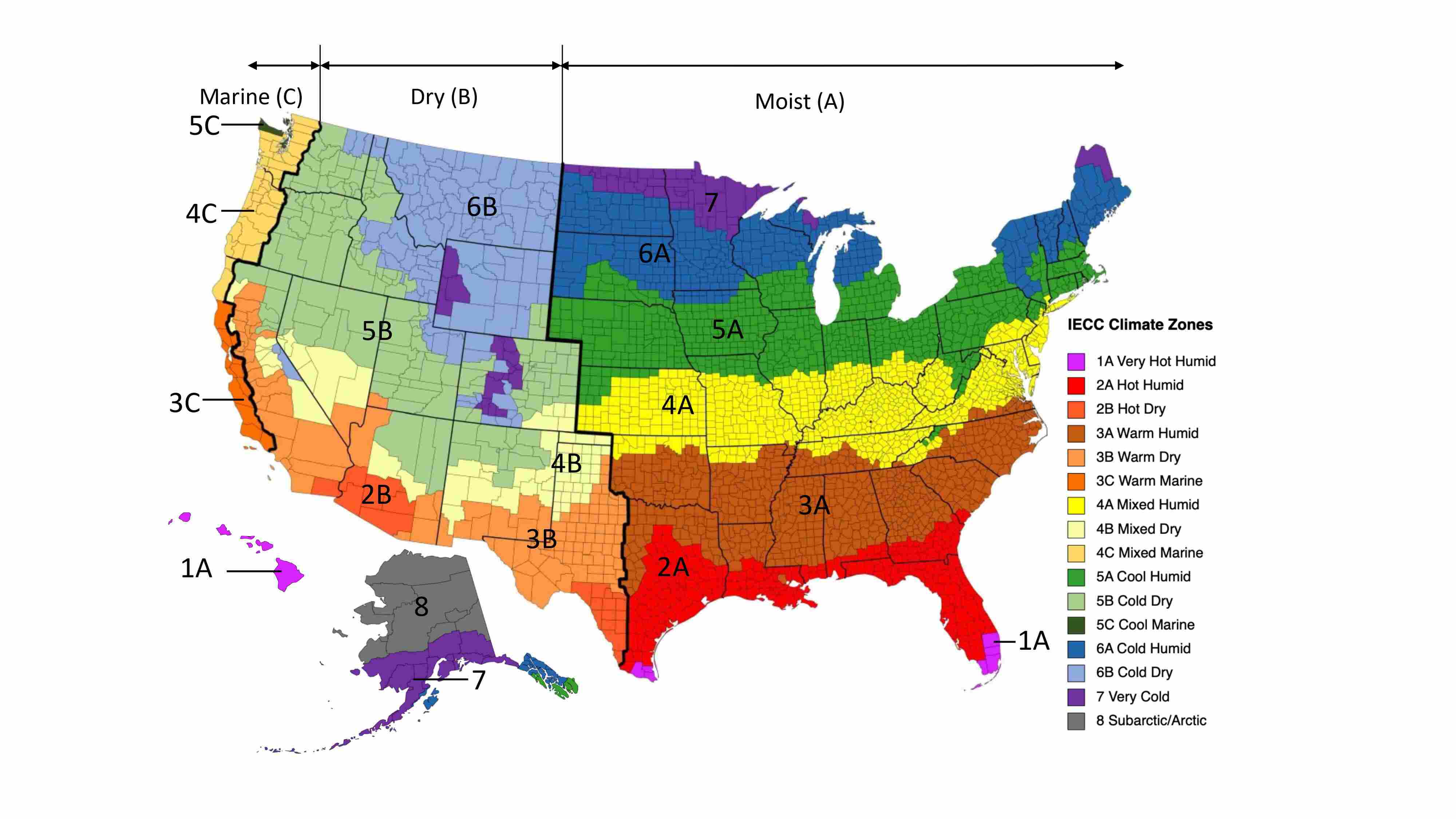
- Climate: The local climate affects not just the materials you choose but also the layout and features of your patio. For instance, areas with high rainfall may require proper drainage solutions, while sunny regions might benefit from shade structures.
- Space: The size and shape of your available outdoor area will dictate the scale of the patio. Larger spaces can accommodate more features, while smaller areas may require more innovative designs to maximize usability.
- Usage: Understanding how you plan to use the patio—whether for entertaining, dining, or relaxation—will guide your design choices, from furniture selection to layout.
- Style: The design should complement the architecture of your home. This includes matching materials, colors, and overall aesthetics to create a cohesive look.
- Budget: Establishing a budget early on will help narrow down your options for materials, features, and the extent of the design. It is essential to prioritize elements that will provide the most value and enjoyment.
Importance of materials in patio construction
The materials used in patio construction significantly impact its durability, maintenance, and overall appearance. Different materials offer various benefits and drawbacks that should be carefully considered:
Concrete
Known for its strength and low maintenance, concrete is a popular choice. It can be stamped or stained to enhance its visual appeal, allowing for a customizable look.
Pavers
These come in various materials such as brick or stone and are valued for their aesthetic versatility. While they are durable, they may require occasional maintenance to prevent weeds from growing between them.
Wood
Wood decks provide a natural and warm feel. However, they require regular sealing and staining to prevent rot and damage from elements.
Composite materials
These are becoming increasingly popular due to their resistance to fading and splintering, requiring less maintenance than traditional wood while maintaining a wood-like appearance.
Choosing the right material can enhance the longevity of your patio while minimizing maintenance costs over time.
Lighting and landscaping in patio design
Proper lighting and landscaping can elevate your patio design, making it functional and inviting. Both elements work together to enhance the ambiance and usability of the outdoor space.
Lighting
Consider the types of lighting that will best suit your patio environment. Options include ambient lighting for general illumination, task lighting for specific areas (like cooking or dining), and accent lighting to highlight architectural features or landscaping. Solar-powered lights can be an eco-friendly option that also saves on energy costs.
Landscaping
Thoughtful landscaping around your patio can create a seamless transition between the indoor and outdoor spaces. Incorporate plants that thrive in your climate, such as flowering shrubs or perennials, to add color and texture. Additionally, integrating pathways or stone borders can improve functionality while enhancing the visual appeal.
Effective lighting and landscaping not only enhance the beauty of your patio but also extend its usability into the evening hours.
Popular patio design styles and their characteristics

Patio design can dramatically enhance the functionality and aesthetics of outdoor spaces, providing areas for relaxation, entertainment, and enjoyment of nature. Understanding different patio styles allows for tailored designs that fit individual tastes and lifestyles. Here, we’ll explore four popular patio design styles, each offering unique features and benefits.
Modern Patio Design
Modern patio design emphasizes clean lines, minimalism, and a blend of indoor and outdoor living. This style features sleek furniture, geometric shapes, and a neutral color palette often accented by splashes of bold colors.
Materials
Use of concrete, glass, and metal to create a seamless look.
Furniture
Comfortable yet stylish furniture with a focus on form and function.
Landscaping
Incorporation of native plants and simple landscaping for a low-maintenance environment. The modern patio is perfect for those who appreciate a contemporary aesthetic that fosters a sense of openness and clarity. A successful example is a contemporary urban apartment where the patio features a concrete slab, stylish outdoor seating, and vertical gardens, creating an inviting space for social gatherings.
Rustic Patio Design
Rustic patio design embraces a natural, organic feel, often utilizing reclaimed materials and earthy colors. It’s characterized by its warm, homey vibe, making it an ideal choice for those seeking a cozy outdoor space.
Materials
Use of wood, stone, and brick, often with a distressed finish.
Furniture
Heavy wood furniture with plush cushions, emphasizing comfort.
Landscaping
Incorporation of wildflowers, natural stone pathways, and wooden trellises. This design style is great for country homes or cottages, where a connection to nature is paramount. An example can be seen in a countryside home where the patio boasts a wooden pergola wrapped in climbing plants, rustic furniture, and a stone fireplace, encouraging outdoor living throughout the year.
Mediterranean Patio Design
Mediterranean patio design is inspired by the coastal regions of Southern Europe, characterized by vibrant colors, intricate patterns, and a focus on relaxation. This style often incorporates elements that reflect the beauty of the Mediterranean lifestyle.
Materials
Use of terracotta tiles, stucco, and wrought iron.
Furniture
Elegant wrought iron or wooden furniture with colorful cushions.
Landscaping
Lush greenery, citrus trees, and flowering plants to create a vibrant atmosphere. This style works well in warmer climates and is known for creating inviting spaces for entertaining. A notable example is a villa-style home where the patio features colorful mosaics, an elegant outdoor grill, and a shaded dining area surrounded by fragrant herbs and flowers, ideal for enjoying alfresco meals.
Traditional Patio Design
Traditional patio design draws inspiration from classic architectural elements and timeless elegance. This style incorporates symmetry, classic materials, and thoughtful landscaping to create a cohesive and inviting space.
Materials
Use of brick or flagstone, complemented by wood and wrought iron.
Furniture
Classic wooden or metal furniture with traditional designs, often featuring cushions in floral patterns.
Landscaping
Formal gardens with structured hedges and flower beds, creating a refined environment. Perfect for historic homes or those wanting to evoke a sense of timelessness, a traditional patio can be exemplified by a colonial-style home featuring a brick patio, ornate iron furniture, and well-manicured flower beds, providing a beautiful setting for family gatherings and social events.
The role of landscaping in patio installation and design
Landscaping plays a crucial role in patio installation, enhancing not only the aesthetic appeal of outdoor spaces but also their functionality. A well-designed landscape surrounds a patio and creates an inviting atmosphere that encourages outdoor living and relaxation. By integrating landscaping elements such as plants, trees, and hardscaping features, homeowners can achieve a harmonious outdoor environment that complements their patio style and personal taste.Landscaping intersects beautifully with patio design, contributing to a cohesive outdoor environment where every element enhances the others.
The right selection of plants and landscaping features can frame the patio, draw the eye, and extend the livable space outdoors. For instance, low-maintenance greenery can provide a backdrop for relaxation, while vibrant flowers can add pops of color that enliven the atmosphere.
Selection of Plants and Greenery for Patio Styles and Climates
When selecting plants and greenery to complement your patio, it is essential to consider both the style of the patio and the local climate. Various plants can enhance the overall design while thriving in the specific environmental conditions. The following tips can guide you in choosing the right greenery:
- Modern Patios: Opt for sleek, architectural plants like succulents or ornamental grasses that reflect clean lines and minimalism.
- Rustic Patios: Choose native wildflowers, herbs, and shrubs that create a natural, unrefined look, blending seamlessly with the surroundings.
- Coastal Patios: Consider salt-tolerant plants like sea oats and beach grasses that can withstand windy, salty conditions while providing a laid-back vibe.
- Shady Patios: Incorporate shade-loving plants like ferns and hostas that thrive in lower light conditions, keeping the area lush and vibrant.
- Hot Climates: Select drought-resistant plants such as agaves and lavender that can endure high temperatures and require minimal watering.
Understanding the climate in your region is equally important. Select plants that are not only aesthetically pleasing but also suited to the local weather patterns. Native plants are often the best choice since they require less maintenance and are better adapted to local soil conditions.
Enhancement of Patio Design through Hardscaping
Hardscaping elements significantly contribute to the overall design and functionality of a patio. These features include walkways, retaining walls, decorative stones, and outdoor furniture. The integration of hardscaping with landscaping creates a balanced and inviting outdoor space. Key benefits of hardscaping include:
- Defining Spaces: Hardscaping elements can delineate different areas within the outdoor space, such as separating the dining area from the garden, enhancing organization and flow.
- Improving Accessibility: Pathways and patios constructed with durable materials provide safe and stable surfaces for movement, allowing easy access to various parts of the yard.
- Increased Functionality: Adding features like outdoor kitchens or fire pits within a hardscaped area enhances usability, creating spaces that can be enjoyed year-round.
- Visual Interest: Textured stone walls, patterned pavers, and unique seating arrangements can become focal points that draw attention and elevate the overall aesthetic of the patio.
- Water Management: Effective hardscaping can aid in drainage, preventing water pooling around the patio and ensuring longevity of both the landscaping and hardscaping elements.
By thoughtfully combining landscaping and hardscaping, homeowners can create an outdoor oasis that is not only visually appealing but also highly functional, allowing for years of enjoyment and relaxation.
The process of patio installation from planning to execution
Planning a patio installation involves several critical steps, ensuring that the final product is not only beautiful but also functional and durable. From site assessment to design approval, this process sets the foundation for effective execution. Understanding these stages will help homeowners make informed decisions and achieve a successful patio installation.
Steps in Planning a Patio Installation
The first phase of installing a patio includes a thorough site assessment and design approval. This ensures that the chosen location is suitable and aligns with the homeowner’s vision.
1. Site Assessment
Assess the area where the patio will be installed. This includes evaluating the soil condition, drainage patterns, and any potential obstacles like trees or utility lines.
2. Design Approval
Create a design plan that includes the desired shape, size, and materials. This may involve sketches or digital renderings. Discuss the plan with stakeholders to gain approval before proceeding.
3. Permits and Regulations
Check local building codes and obtain any necessary permits. Compliance with regulations helps avoid fines or issues down the road.
Tools and Materials Checklist for DIY Patio Installation
Before starting the installation, it is essential to have all the necessary tools and materials at hand. This preparation will streamline the process and help prevent delays. Tools Needed:
Shovel
For digging and leveling the ground.
Rake
Useful for leveling the surface and moving soil.
Level
Ensures that the patio surface is even.
Tape Measure
Essential for accurate measurements.
Trowel
For setting and smoothing materials.
Rubber Mallet
Helps in adjusting stones without damaging them. Materials Needed:
Pavers or Stones
Choose materials that fit the desired aesthetic.
Base Material
Crushed stone or gravel for proper drainage.
Sand
For leveling pavers and filling gaps.
Landscape Fabric
Prevents weed growth beneath the patio.
Edging Material
To define boundaries and maintain the structure.
Safety Considerations and Best Practices
Ensuring safety during the patio installation process is paramount. Adhering to best practices minimizes risks and promotes a successful installation.
Wear Protective Gear
Use gloves, safety goggles, and steel-toed boots to protect against injuries.
Check for Underground Utilities
Always contact local utility companies to mark any underground lines before digging.
Lift with Care
When handling heavy materials, use proper lifting techniques to avoid strain or injury.
Work with a Buddy
Having someone assist can make handling large items safer and more manageable.
Stay Hydrated
Working outdoors can be exhausting, especially in hot weather. Keep water on hand to stay hydrated.
“Preparation is the key to successful patio installation; a well-thought-out process leads to a more durable and aesthetically pleasing outdoor space.”
Common challenges faced in patio design and installation and how to overcome them
Creating a beautiful and functional patio can come with its own set of challenges. Whether it’s dealing with unexpected drainage issues or working with limited space, these obstacles can sometimes feel overwhelming. Understanding these common issues and their solutions can make the design and installation process smoother and more enjoyable.
Drainage Problems
One of the most significant issues that can arise during patio design is improper drainage. Poor drainage not only impacts the patio’s longevity but can also lead to water pooling, creating unsightly and hazardous conditions. To address this challenge, consider the following strategies:
- Grade the patio area away from the house to prevent water from flowing towards the foundation.
- Incorporate drainage solutions such as French drains or drainage pipes to direct water away effectively.
- Choose permeable materials for paving that allow water to seep through and reduce runoff.
“Effective drainage is critical for maintaining the integrity of your patio and protecting your home’s foundation.”
Space Constraints
Limited space can be a significant hurdle in patio design, especially in urban areas where yards may be smaller. However, with thoughtful planning and creative solutions, you can maximize your space. Here are some tips to consider:
- Utilize vertical space by incorporating wall planters or vertical gardens.
- Opt for foldable or stackable furniture that can be easily stored when not in use.
- Incorporate built-in seating to save space while providing functionality.
“Maximizing your available space can turn a small area into a cozy, functional outdoor retreat.”
Material Selection Challenges
Choosing the right materials can be daunting, especially with the plethora of options available. Different materials have varying costs, aesthetics, and durability. To navigate this challenge, keep these considerations in mind:
- Assess the climate in your area to select materials that withstand local weather conditions.
- Consider maintenance requirements for different materials, balancing aesthetics with practicality.
- Consult with professionals to understand the long-term implications of your material choices.
“Selecting the appropriate materials is key to ensuring your patio remains both beautiful and durable over time.”
Consulting Professionals
Engaging with professional landscape architects or patio designers is crucial for overcoming the complexities of patio design and installation. Their expertise can help in various aspects, including:
- Assessing site conditions and identifying potential challenges early on.
- Providing design ideas that optimize the existing space effectively.
- Ensuring that all installations adhere to local building codes and regulations.
“Professional guidance can save you time, money, and stress, leading to a successful patio project.”
Trends in patio design and installation for the upcoming seasons

As we look forward to the upcoming seasons, patio design is evolving to reflect a blend of style, functionality, and sustainability. Homeowners are increasingly seeking outdoor spaces that not only enhance their living areas but also align with modern environmental standards. This year promises a fresh wave of trends that focus on creating versatile, eco-friendly patios that cater to both relaxation and entertainment.One of the most notable trends is the shift towards using eco-friendly materials in patio construction.
This incorporates sustainable resources such as reclaimed wood, recycled metal, and permeable paving stones, which contribute to a reduced carbon footprint. Multifunctional furniture is also gaining traction, allowing homeowners to maximize their outdoor living spaces. This furniture adapts easily for various activities, from dining to lounging, making patios more user-friendly.
Incorporating eco-friendly materials
Utilizing eco-friendly materials in patio design not only benefits the environment but also provides unique aesthetic appeal. Homeowners can choose from various options that promote sustainability without sacrificing style. Some key materials include:
- Reclaimed wood: This material brings character and warmth to outdoor spaces while minimizing waste. Each piece tells a story, adding a vintage charm to your patio.
- Recycled composites: Furniture made from recycled plastics and woods offers durability and low maintenance, making it an ideal choice for outdoor use.
- Natural stone: Sourced sustainably, natural stone lends elegance and can withstand the elements, ensuring longevity.
By incorporating these materials, homeowners can create a patio that is not only visually appealing but also environmentally responsible.
Multifunctional furniture trends
The trend towards multifunctional furniture is an essential shift for patios, particularly in urban settings where space is limited. This type of furniture can serve multiple purposes, enabling homeowners to transform their patios for different uses throughout the day. Key considerations include:
- Storage benches: These provide seating while also offering storage for cushions and gardening tools, keeping the patio organized.
- Expandable dining sets: Perfect for entertaining, these sets can accommodate small family dinners or larger gatherings by expanding as needed.
- Outdoor lounges with modular designs: These allow for rearrangement based on the occasion, providing flexibility for relaxation or socializing.
Incorporating multifunctional furniture enhances the usability of patios, making them ideal for every season and occasion.
Evolution of outdoor spaces
When comparing past and current trends in patio design, a significant evolution is evident in both style and functionality. Earlier designs often focused on static, single-purpose spaces, while contemporary trends emphasize versatility and integration with nature. Homeowners are now more inclined to create seamless transitions from indoor to outdoor living, blurring the lines between the two spaces. Features such as outdoor kitchens, fire pits, and integrated lighting design further enhance the experience, allowing patios to be enjoyed day or night.This evolution reflects a broader shift in lifestyle preferences, where outdoor living is cherished as an extension of home life, facilitating relaxation and togetherness.
Maintenance and care tips for patios to extend their lifespan

Maintaining your patio is essential to ensure its longevity and aesthetic appeal. Regular upkeep not only helps in preventing major repairs but also keeps your outdoor space inviting and functional. By following a few simple maintenance and care tips, you can significantly extend the lifespan of your patio and enjoy it for many seasons to come.
Routine Maintenance Tasks
Routine maintenance tasks are vital for preserving both the beauty and structural integrity of your patio. These tasks should be performed periodically to ensure that your patio remains in top condition.
- Regular Cleaning: Sweep away dirt, leaves, and debris weekly to prevent staining and moss growth. A pressure washer can be used monthly for a deeper clean, but ensure it’s set to a low pressure to avoid damaging the surface.
- Sealing Surfaces: Depending on the material, applying a sealant every few years can protect your patio from moisture and staining. For example, natural stone patios benefit significantly from sealing.
- Weed Control: Regularly check for weeds in the cracks and joints of your patio. Pull them out by hand or use a weed killer as necessary to prevent them from spreading.
- Inspect for Damage: Examine your patio for cracks, loose stones, or uneven surfaces. Addressing these issues promptly can prevent further deterioration.
Seasonal Care and Weather Preparation
Seasonal care is crucial for adapting your patio maintenance to different weather conditions. Preparing your patio for varying climates can help protect it from damage caused by harsh elements.
- Spring: After winter, clean your patio thoroughly. Check for any freeze-thaw damage that may have occurred and reseal surfaces as needed.
- Summer: Ensure proper drainage to prevent standing water. Regularly check for signs of mildew or mold, particularly in humid climates.
- Autumn: Clear fallen leaves and debris promptly to avoid staining and mold growth. Consider applying a leaf blower for efficiency.
- Winter: If you live in a snowy area, use a plastic shovel to clear snow instead of metal to avoid scratching the surface. Apply ice melt products safely, ensuring they are suitable for your patio material.
Troubleshooting Common Problems
Over time, patios can encounter various issues that may require troubleshooting. Being aware of common problems and their solutions can help maintain the patio’s appearance and function.
- Cracks: Small cracks can be filled with a concrete patch, while larger ones might require professional repair to avoid further damage.
- Stains: Different stains (oil, rust, or food) require specific cleaning methods. For example, oil stains can often be treated with baking soda or a commercial degreaser.
- Uneven Surfaces: If certain areas have become uneven, it may be necessary to lift the stones and re-level them, ensuring a stable base underneath.
- Moss and Algae Growth: To inhibit growth, consider using a mixture of water and vinegar as a natural cleaner and preventer.
Regular maintenance not only preserves the aesthetic appeal of your patio but also significantly extends its lifespan, making it more enjoyable for years to come.